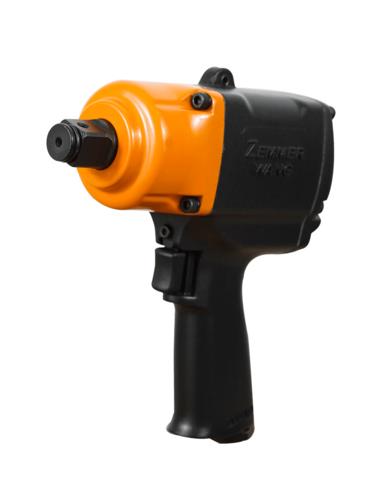
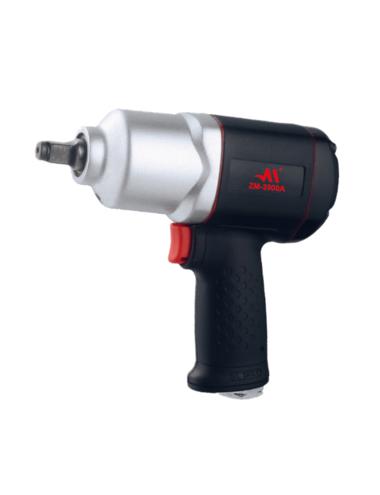
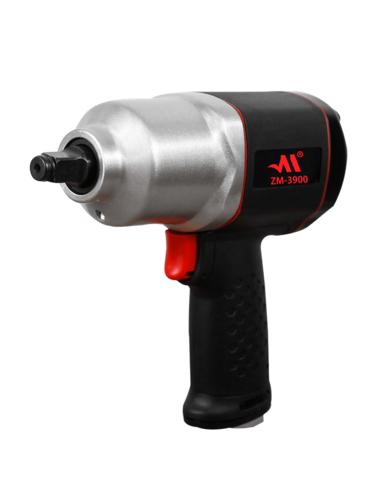
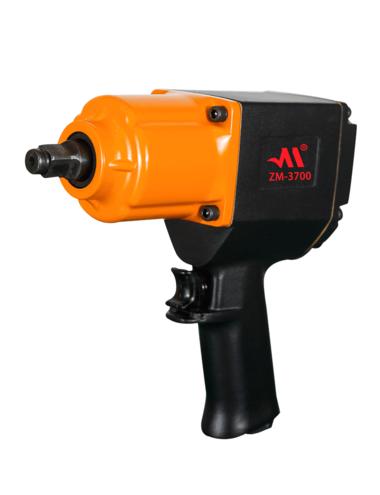
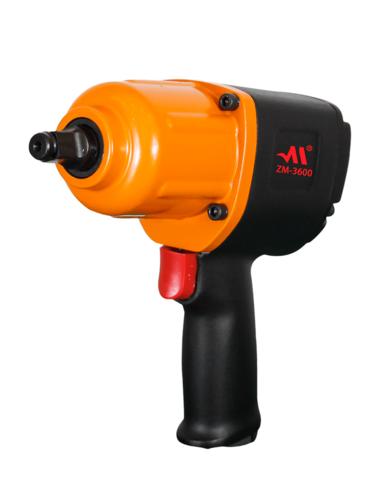
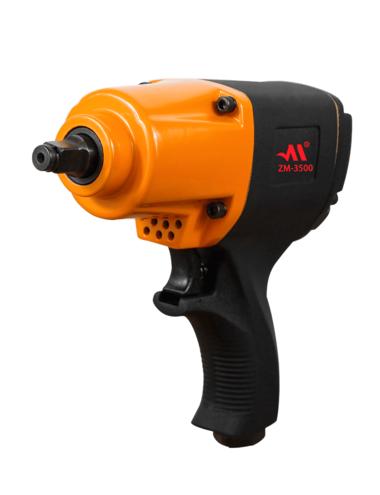
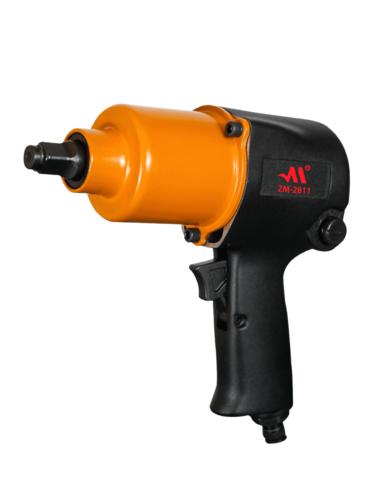
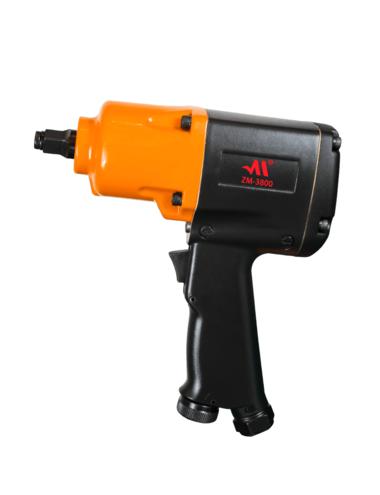
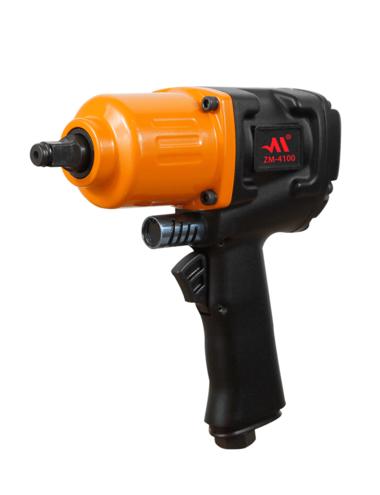
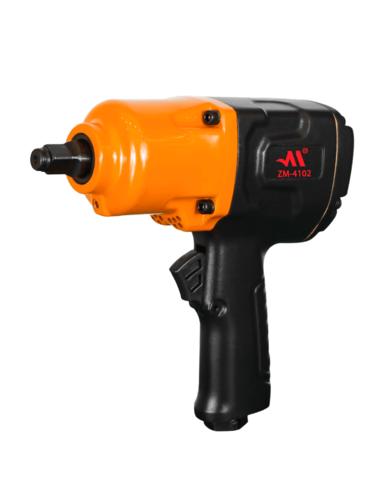
Anvil retention sounds like a minor detail until a technician is working under a truck chassis and needs to swap sockets quickly without hunting for a dropped retaining pin. A 1-inch pin-less hammer solves this specific frustration through its mechanism rather than through any accessory or workaround, which is why the internal structure of this tool matters more to buyers than it does for smaller, lighter-duty impact tools. Buyers comparing suppliers purely on torque figures often miss this mechanism entirely, even though it changes the daily experience of using the tool more than an incremental torque increase would.
A traditional impact wrench anvil relies on a pin passing through both the anvil and the socket to keep the socket from sliding off during use, and losing that pin mid-job is a common frustration on any site where sockets get swapped frequently. A 1-inch pin-less hammer replaces this with a rocking dog structure, an internal mechanism that grips the socket through spring-loaded engagement rather than a physical pin passing through both components. This design lets technicians change sockets faster since there is no pin to remove, align, and reinsert every time the tool needs a different size.
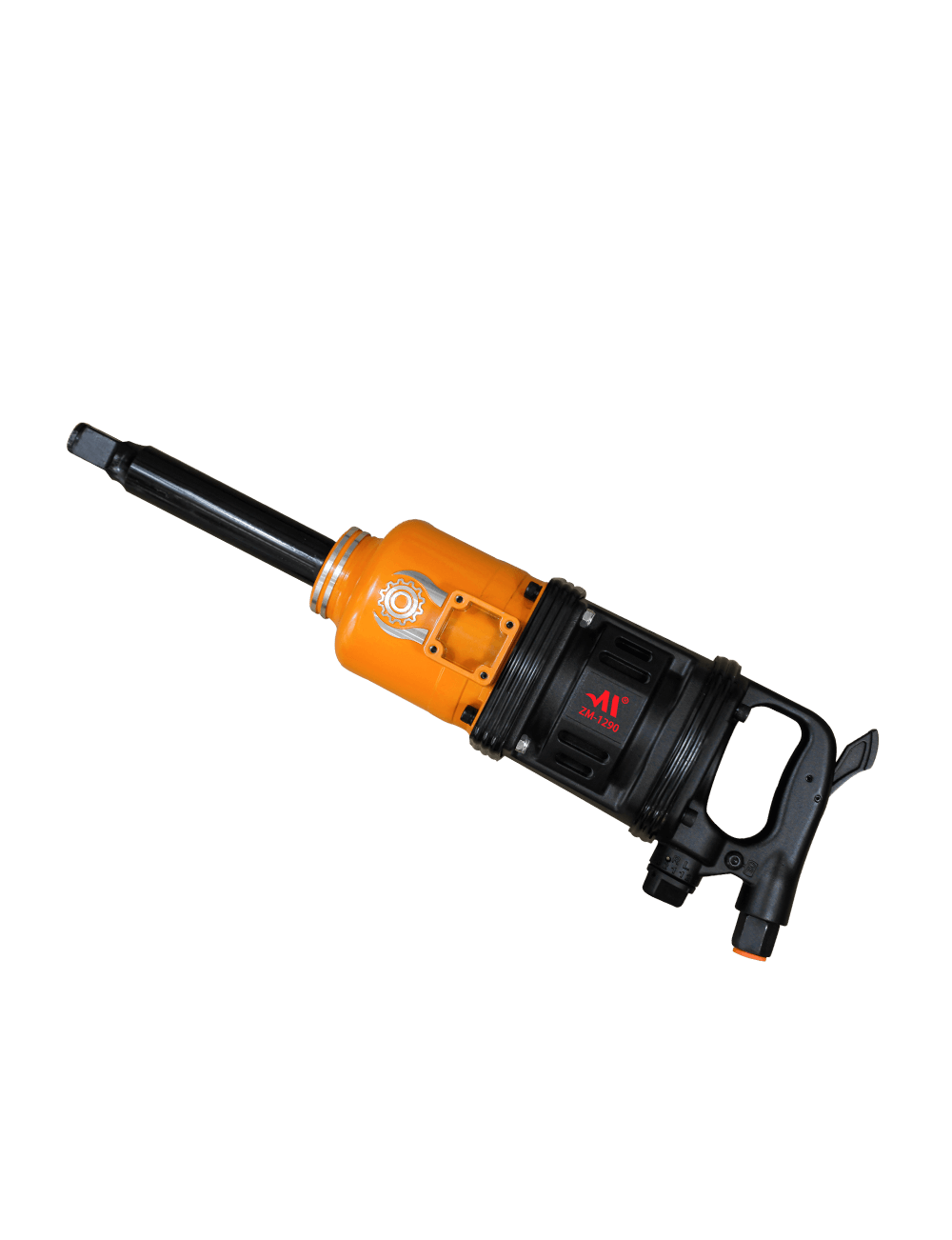
The rocking dog structure inside a 1-inch pin-less hammer distributes impact force differently than a standard pinned anvil, which becomes relevant specifically in the bolt sizes and torque ranges this tool category is built for. Buyers sourcing tools for big truck and lorry maintenance, where bolt capacity regularly exceeds what a smaller impact wrench can handle, should understand that this mechanism is not simply a convenience feature but part of what allows the tool to deliver its rated torque reliably across repeated heavy use.
A 1-inch pin-less hammer built for heavy truck and bus maintenance typically specifies bolt capacity in the 50mm range alongside a torque output well above what smaller pneumatic tools produce, since large fasteners on commercial vehicles and heavy equipment require substantially more force than passenger car maintenance. Buyers should distinguish between torque, the peak output the tool can reach, and applied torsion, the practical working range the tool sustains during actual use, since suppliers sometimes use the more impressive figure without clarifying which number applies to everyday operation.
Anvil length on this 1-inch pin-less hammer class typically runs longer than smaller impact wrenches, giving technicians better reach into recessed bolt positions common on large truck and bus undercarriages, while air consumption runs correspondingly higher given the increased torque output. Buyers should confirm their compressor system can sustain the air consumption rate this tool class requires during continuous use, since an undersized compressor forces the tool to work below its rated output regardless of how well the tool itself is built.
|
Factor |
Pin-Less Rocking Dog Design |
Traditional Pin Retention |
|
Socket change speed |
Fast, no pin to remove |
Slower, requires pin removal and reinsertion |
|
Risk of lost components |
Low, no separate pin to misplace |
Higher, pins are easily dropped or lost |
|
Suited for |
High-frequency socket changes |
Lower-frequency, fixed-socket applications |
|
Mechanism complexity |
Internal spring-loaded engagement |
Simple pin-through-hole design |
|
Common application |
Heavy truck, bus, large machinery repair |
General automotive and light equipment repair |
While built primarily for big truck and lorry screw and unscrew work, a 1-inch pin-less hammer also serves general maintenance on buses and large industrial equipment where fastener sizes exceed what smaller pneumatic tools handle comfortably. Buyers evaluating whether this tool class fits their operation should weigh typical bolt sizes encountered in their daily work against the tool's rated bolt capacity, since specifying a tool this heavy-duty for lighter work adds unnecessary weight and air demand without a corresponding benefit. Conversely, buyers regularly working near the top of this tool's rated capacity should treat that as a signal to confirm compressor sizing before committing to a bulk order, since torque output this high has no margin left for an undersized air supply.
Zhengmao is an export enterprise specializing in the production, service and development of pneumatic tools.
 English
 中文简体
中文简体 Deutsch
 Español
 Français
 русский
 عربى
عربى