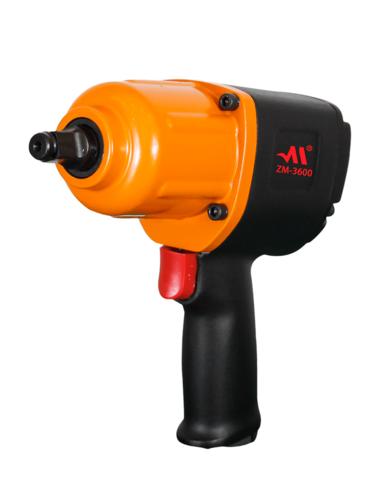
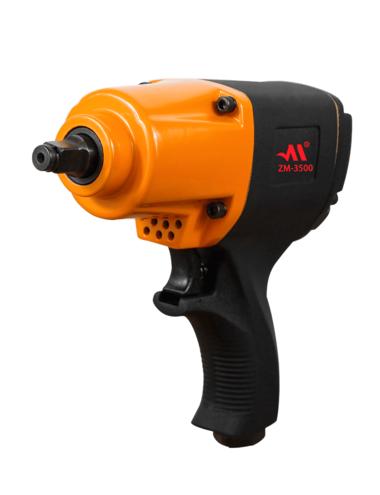
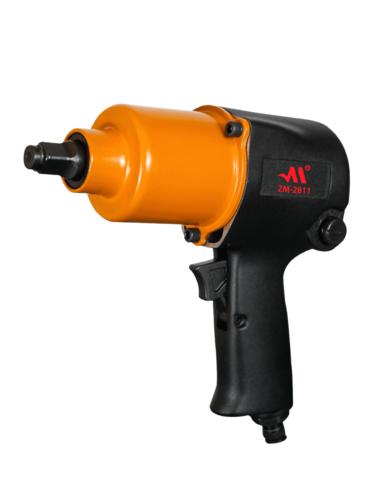
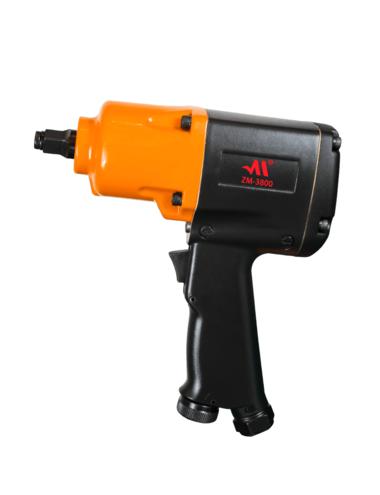
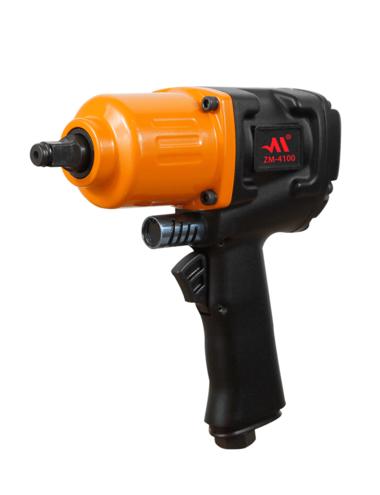
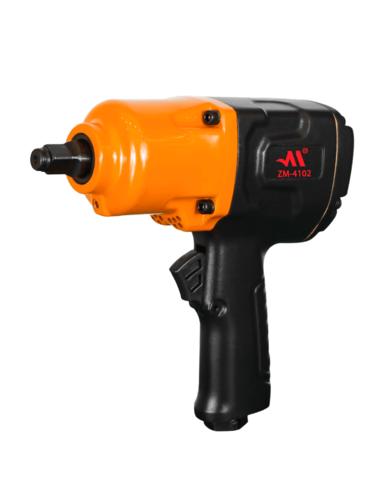
A tool that delivers strong torque numbers on a spec sheet but fails after a few months of daily use costs a shop more in downtime than it ever saved in upfront price. What separates a durable, powerful impact wrench from one that wears out quickly usually comes down to internal engineering choices that aren't visible from a product photo or a torque rating alone.
Twin hammer mechanisms remain the standard for mid-to-heavy-duty pneumatic wrenches because they distribute striking force across two contact points instead of one, reducing the concentrated wear that shortens tool life in single hammer designs. A powerful impact wrench built around this mechanism typically holds torque consistency longer across its service life, since the hammer components share load rather than absorbing repeated shock individually.
Material selection for the hammer case and internal housing also affects longevity. Hardened steel components resist deformation under repeated impact, while lower-grade alloys may hold up initially but degrade faster once a tool sees regular use in a production or fleet environment rather than occasional home use.
|
Build Factor |
Lower Durability Signal |
Higher Durability Signal |
|
Hammer mechanism |
Single hammer, basic strike |
Twin hammer, balanced impact distribution |
|
Housing material |
Standard alloy casing |
Hardened composite or reinforced casing |
|
Exhaust design |
Front exhaust only |
Adjustable front, rear, or handle exhaust |
|
Torque control |
Fixed output |
Multi-stage adjustable torque |
|
Certification |
No documented testing |
ISO and CE-certified production |
|
Service life claims |
Vague or unstated |
Documented duty cycle ratings |
Buyers sourcing a powerful impact wrench for resale or industrial deployment can use this comparison as a starting checklist when evaluating unfamiliar suppliers, since specification sheets alone rarely capture build quality differences this clearly.
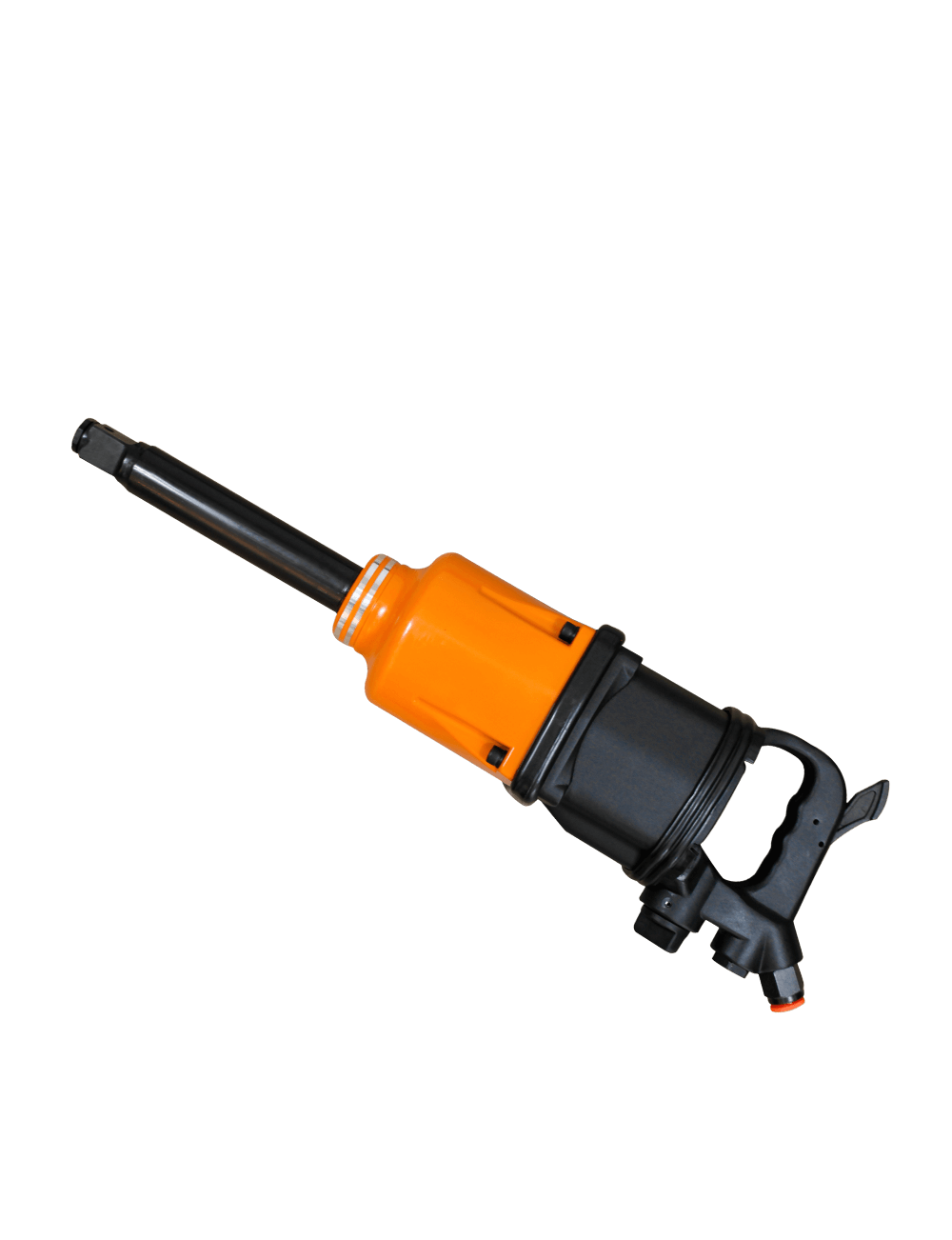
ISO9001 certification indicates a documented quality management process across production, which matters more for buyers ordering in volume than for a single retail purchase. CE certification signals compliance with relevant safety standards for markets across Europe, and buyers exporting to those regions should confirm current certification status directly with the manufacturer rather than assuming it applies uniformly across an entire product line.
A pneumatic impact wrench produced under consistent quality control tends to show less variation between units in the same batch, which matters significantly for distributors who need every unit in an order to perform identically once it reaches an end customer.
Before placing a bulk order, sourcing teams benefit from getting direct answers on a handful of points. Production capacity and typical times affect whether a supplier can support recurring orders without delays. Warranty terms and the process for handling defective units matter once a shipment is already in a customer's hands. OEM and ODM flexibility determines whether packaging, branding, or minor spec adjustments are possible without a full custom tooling cost. Confirming which components, particularly the hammer mechanism and motor, are manufactured in-house versus sourced from third parties also helps clarify how much control a factory actually has over consistency.
Unit price comparisons across suppliers can be misleading when service life differs significantly between options. A powerful impact wrench, priced slightly higher but rated for a longer duty cycle, often works out cheaper per year of service than a lower-cost alternative that needs replacing twice as often. Distributors evaluating new suppliers should factor projected service life and after-sales support into total cost calculations rather than comparing unit price in isolation, since replacement frequency and warranty claims both affect margins over time in ways an initial quote doesn't reflect.
Zhengmao is an export enterprise specializing in the production, service and development of pneumatic tools.
 English
 中文简体
中文简体 Deutsch
 Español
 Français
 русский
 عربى
عربى