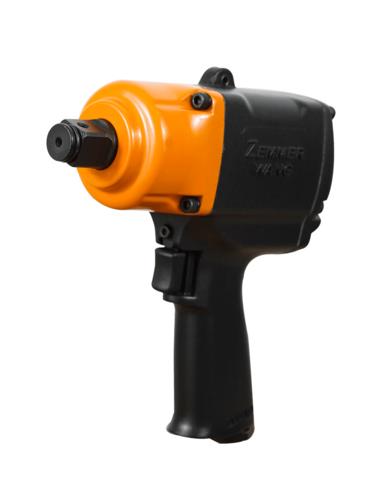
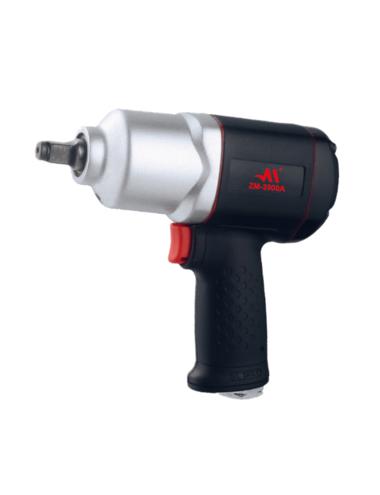
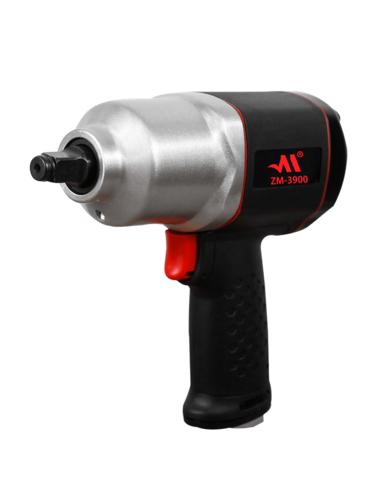
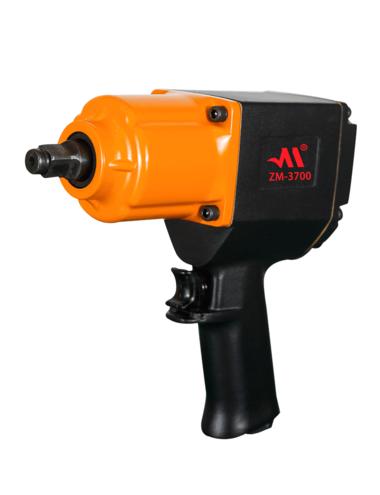
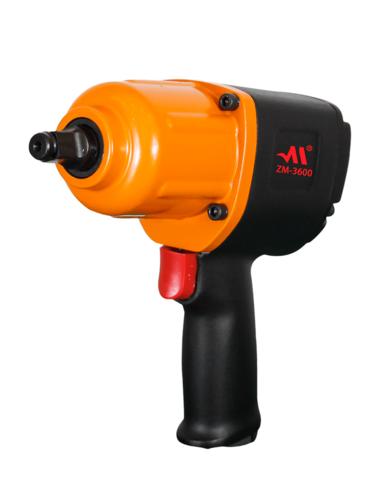
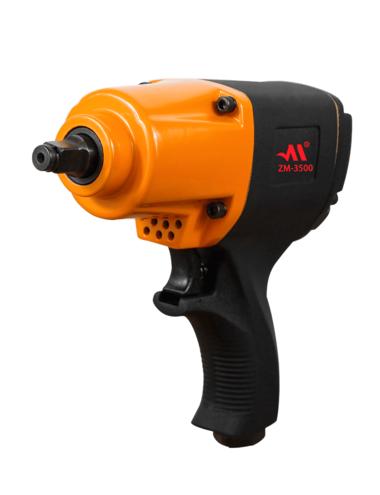
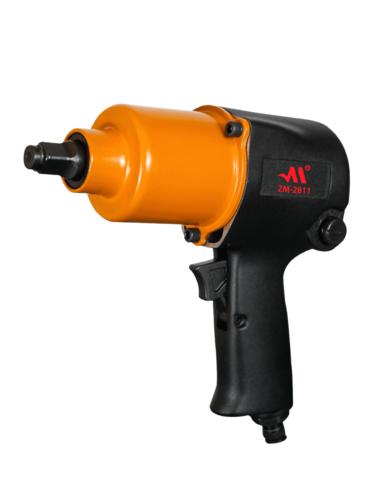
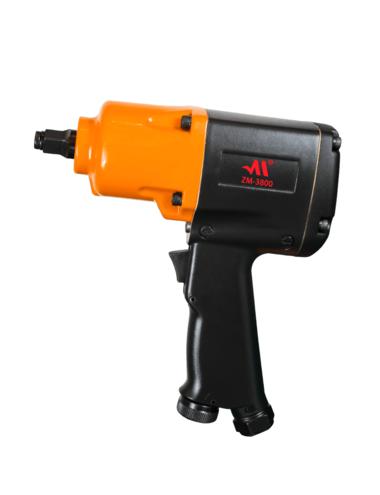
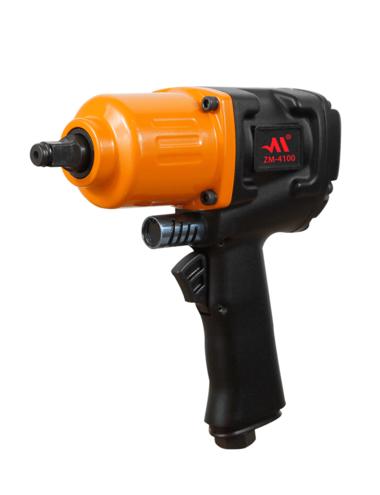
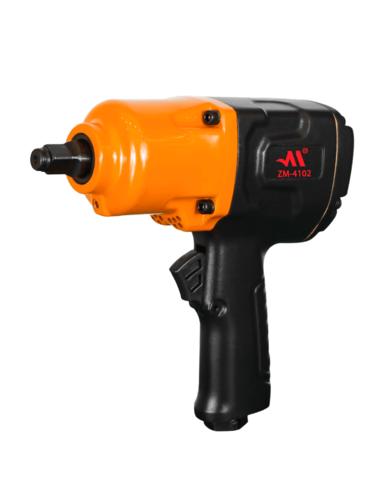
Mechanical hammer mechanisms strike a fastener repeatedly to build torque, and that repeated metal-on-metal contact transmits shock straight back through the tool body into the operator's wrist. A Hydraulic Impact Gun replaces that mechanical strike with a sealed oil chamber, using fluid pressure rather than a swinging hammer to deliver torque, a difference that changes how the tool feels and wears over time.
Inside a Hydraulic Impact Gun, a rotating drive shaft pressurizes oil within a sealed chamber, and that pressure spike transfers rotational force to the anvil in short pulses rather than through direct mechanical impact. Because the fluid absorbs much of the shock before it reaches the housing, technicians handling a Hydraulic Impact Gun through a full shift typically report less hand fatigue than with mechanical hammer designs producing comparable torque output. The tradeoff sits in complexity: the pulse unit requires precision-machined internal components and a reliable seal system, both of which raise manufacturing cost compared to simpler mechanical hammer assemblies.
The chamber seals inside a Hydraulic Impact Gun face continuous pressure cycling, and seal material choice affects how long the unit holds pressure before performance drops. Nitrile seals handle standard operating temperatures reliably, while shops running tools in high-heat environments often specify viton or comparable compounds that resist degradation under sustained thermal load. Fluid viscosity matters just as much as seal material, since oil that thins too much under heat reduces the pulse strength delivered to the anvil, while fluid that stays too viscous in cold conditions can slow the tool's cycling rate during startup.
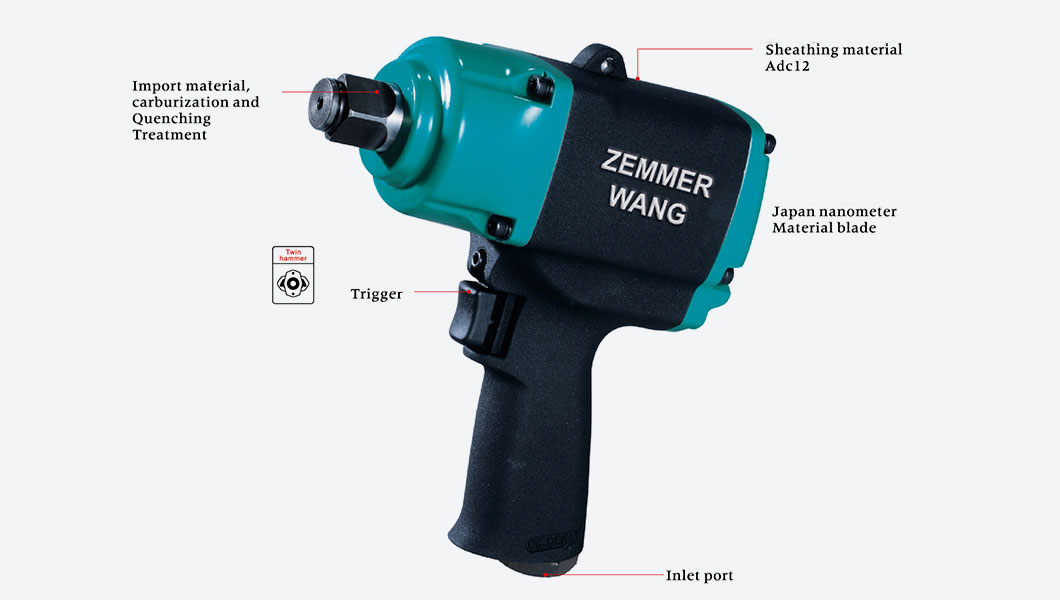
Vibration reduction technology built into hydraulic pulse tools comes primarily from the fluid medium itself rather than from added dampening components. Where a mechanical hammer mechanism relies on hardened steel components striking directly against each other, a Hydraulic Impact Gun distributes that same force across a fluid volume, spreading the shock over a longer duration instead of concentrating it in a single impact moment. Occupational health standards in several export markets now factor hand-arm vibration exposure into equipment recommendations, which has pushed procurement teams evaluating vibration reduction technology to request vibration test data alongside standard torque specifications before approving bulk purchase orders.
Procurement teams comparing hydraulic pulse tools against mechanical alternatives generally review a consistent set of specifications:
Unlike mechanical hammer tools, where maintenance centers on lubricating moving metal parts, a Hydraulic Impact Gun depends on maintaining correct fluid volume and quality inside a sealed chamber. Air bubbles introduced during fluid replacement can reduce pulse consistency until purged, so shops servicing these tools typically follow a specific bleeding procedure rather than a simple oil top-off. Vibration reduction technology performance tends to hold steady across the service interval when fluid is changed on schedule, but degrades gradually if contaminated or low fluid levels go unaddressed, since the pressure spikes the chamber depends on lose consistency as fluid quality declines.
Zhengmao is an export enterprise specializing in the production, service and development of pneumatic tools.
 English
 中文简体
中文简体 Deutsch
 Español
 Français
 русский
 عربى
عربى