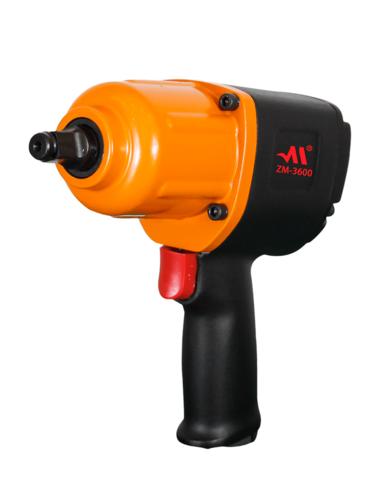
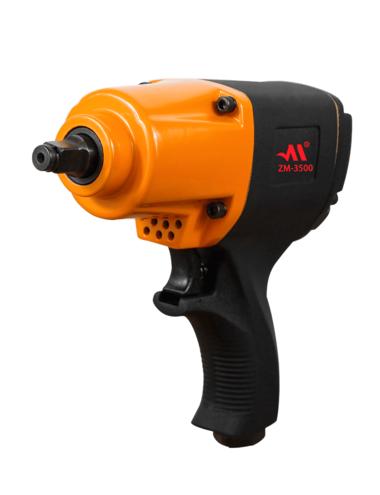
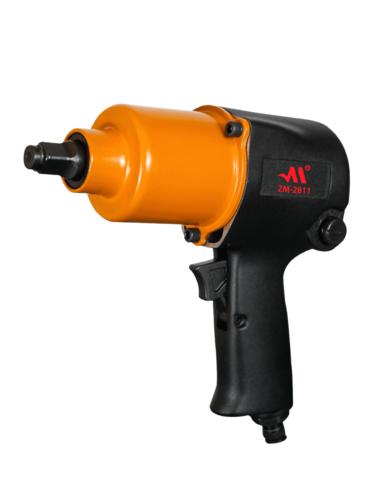
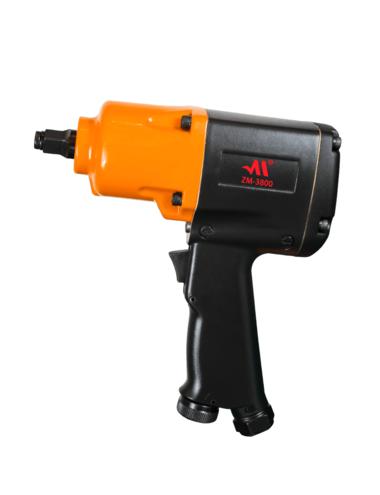
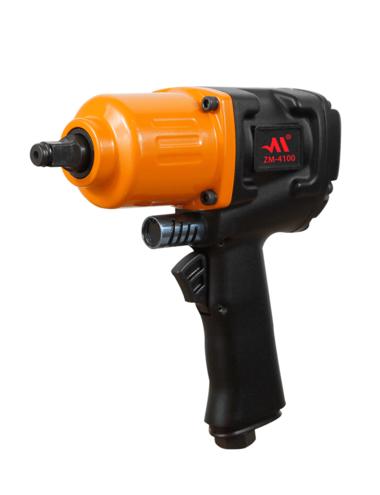
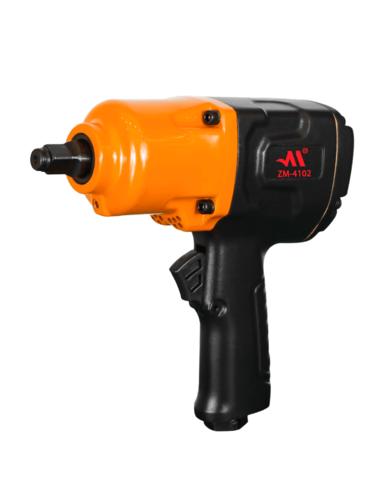
The sustained use of pneumatic power in workshops, manufacturing plants, and construction sites ensures a consistent demand for reliable compressed air tools. Fulfilling this demand is the specialized role of the air tools supplier. These businesses operate as vital intermediaries, connecting the manufacturers of pneumatic equipment with the end-users across various trades and industries. The operations of an air tools supplier encompass inventory management, technical support, and market expertise, making them an essential partner for professionals who depend on air-powered efficiency.
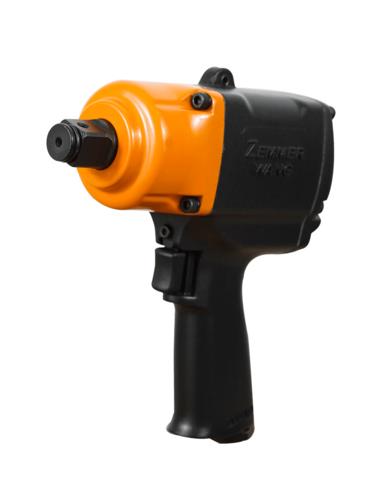
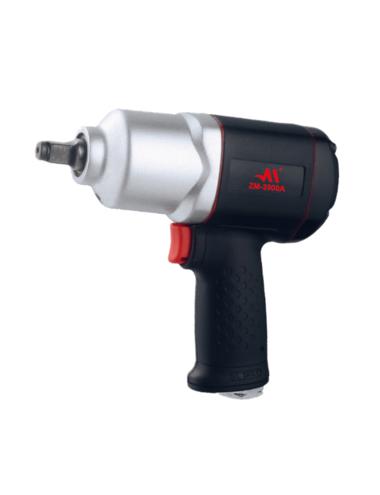
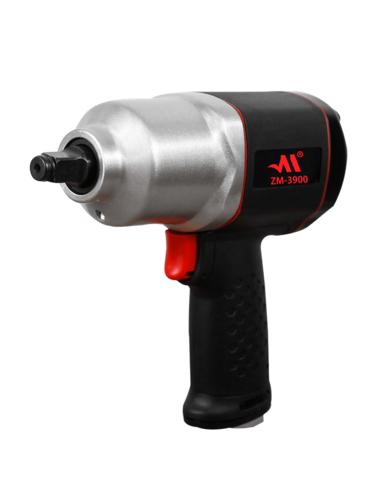
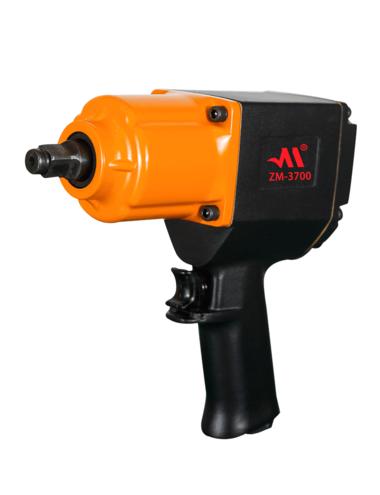
The core function of an air tools supplier is to maintain a comprehensive and accessible inventory of pneumatic equipment. This inventory typically includes impact wrenches, grinders, sanders, drills, nail guns, paint sprayers, and air hammers, along with the necessary consumables and accessories such as hoses, couplers, filters, and lubricants. A proficient air tools supplier stocks products from multiple manufacturers, offering customers a range of choices in terms of power, price, and specialization. Their role goes beyond simple distribution; they provide the local availability and immediate fulfillment that keeps workshops and job sites operational, small costly downtime for tradespeople and industrial maintenance crews.
The customer base for an air tools supplier is diverse. It includes automotive repair shops, metal fabrication facilities, woodworking shops, construction contractors, and industrial plant maintenance departments. Each segment has distinct needs. An automotive-focused air tools supplier might emphasize impact wrenches and paint spray systems, while a supplier serving the construction industry would prioritize nail guns, staplers, and air compressors. A successful air tools supplier understands these nuances and tailors its inventory and services accordingly, often employing staff with direct trade experience to provide relevant advice.
Value-added services are a key differentiator for a modern air tools supplier. Beyond product sales, many suppliers offer repair and maintenance services for pneumatic tools, which is crucial as these tools are subject to wear from constant use and exposure to moisture and contaminants. Technical support in selecting the right tool for a specific application, calculating air compressor requirements, and troubleshooting system issues is another critical service provided by a knowledgeable air tools supplier. These services build long-term customer relationships and establish the supplier as a trusted technical partner rather than just a vendor.
The operational model of an air tools supplier is influenced by the growth of e-commerce. While a physical presence with a showroom and service center remains important for hands-on service and urgent needs, many suppliers have developed robust online catalogs and ordering systems. This allows them to serve a wider geographic area and provide customers with detailed product information and specifications at any time. However, the logistical challenge of managing heavy, bulky inventory and the need for expert local support ensure the continued relevance of established regional air tools supplier operations.
The air tools supplier sector must navigate trends such as the increasing popularity of cordless electric tools, which compete directly in some pneumatic tool categories. A forward-thinking air tools supplier may adapt by also stocking high-performance cordless options while emphasizing the unique advantages of pneumatic tools—such as higher power-to-weight ratios, simplicity, durability, and safety in hazardous environments—for their core applications. The role of the air tools supplier as a knowledgeable source for efficient, reliable pneumatic power solutions is set to continue, ensuring that compressed air remains a fundamental force in professional toolkits worldwide.
Zhengmao is an export enterprise specializing in the production, service and development of pneumatic tools.
 English
 中文简体
中文简体 Deutsch
 Español
 Français
 русский
 عربى
عربى