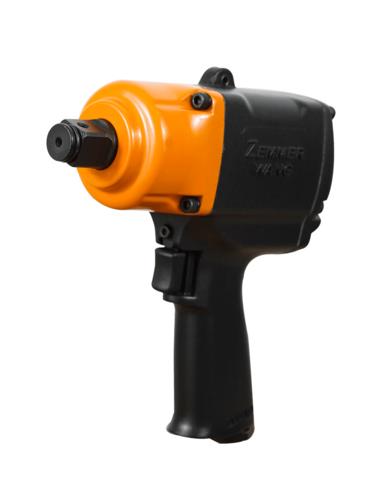
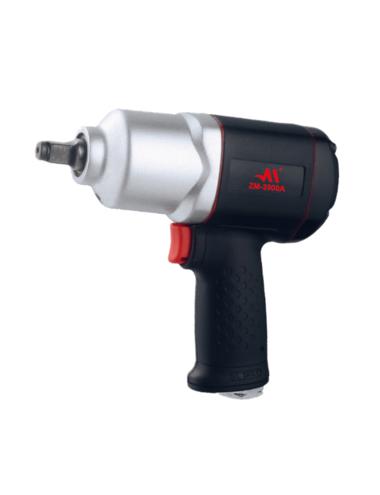
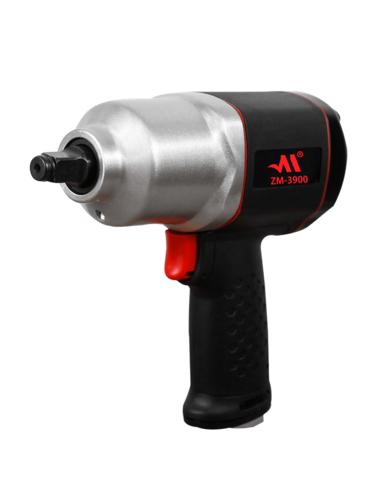
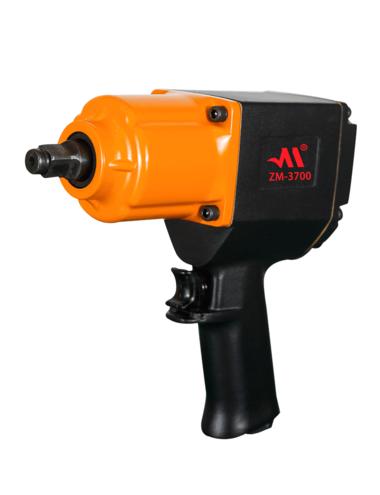
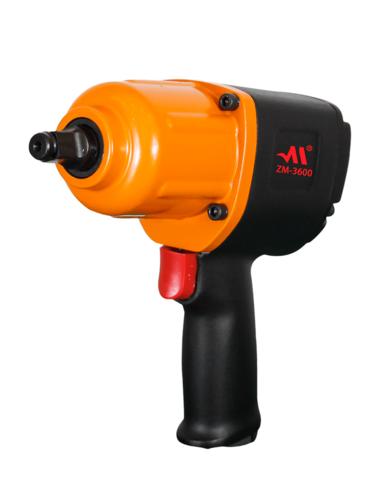
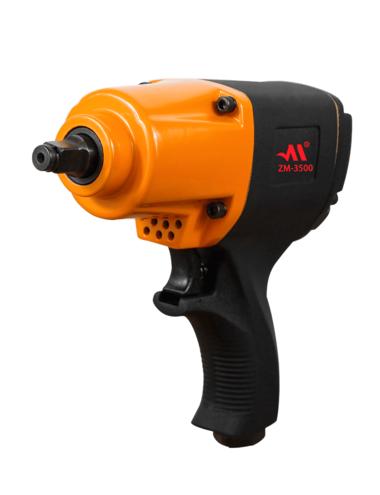
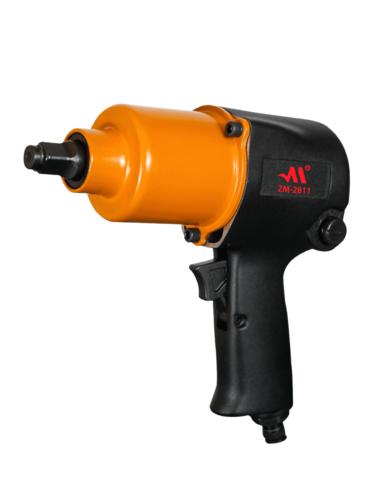
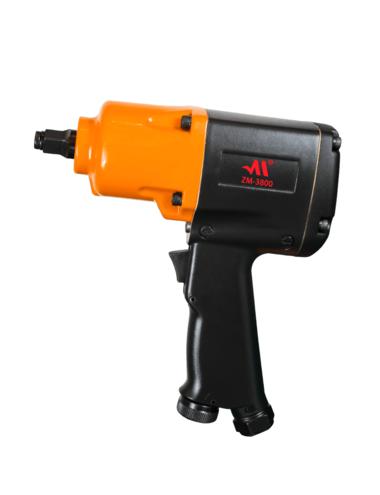
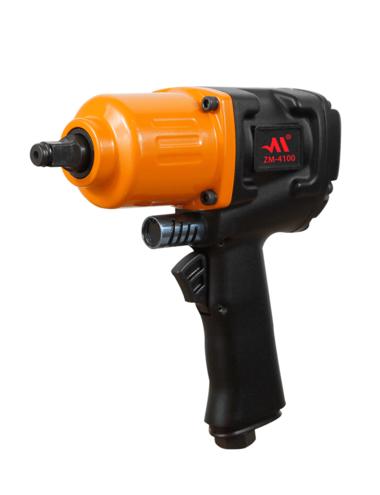
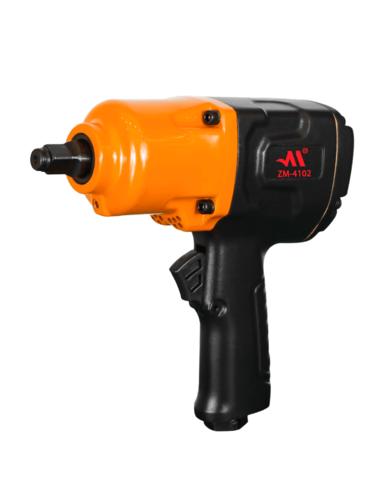
The industrial sector that produces the air-powered equipment important to manufacturing, construction, and automotive repair is navigating a period of significant transformation. Pneumatic tools manufacturers face evolving customer expectations regarding efficiency, ergonomics, and environmental impact while maintaining the power and reliability that have made compressed air tools indispensable across countless applications. As industries evolve and technologies advance, these manufacturers continue to refine their products and processes to meet changing market demands.
At the foundation of pneumatic tools manufacturer operations is the engineering of tools that convert compressed air into mechanical work efficiently and reliably. Impact wrenches, grinders, drills, sanders, and nailers represent just a fraction of the diverse product categories these companies produce. Each tool type requires specialized design to optimize the conversion of air pressure into the specific motion and force characteristics needed for its intended application. The expertise required to balance power, weight, durability, and control across this range of products represents a significant barrier to entry in this manufacturing sector.
Material selection plays a crucial role in pneumatic tools manufacturer success. Housings must withstand drops, impacts, and exposure to industrial fluids while remaining lightweight enough for comfortable use. Internal components face constant stress from high-speed operation and must resist wear to maintain performance over extended service life. Advanced alloys, engineered composites, and specialized coatings allow modern pneumatic tools to deliver improved durability without the weight penalties that would cause operator fatigue. These material innovations extend tool life and reduce the total cost of ownership for customers.
Motor design represents a core competency for pneumatic tools manufacturers. The air motors that power these tools must deliver consistent torque across the operating speed range while maintaining efficiency that less compressed air consumption. Vane motors, piston motors, and turbine designs each offer advantages for different applications, and manufacturers must master the full range to address market needs. Recent advances in motor geometry and materials have improved power density, allowing smaller, lighter tools to deliver performance previously possible only in larger packages.
Ergonomics have become increasingly central to pneumatic tools manufacturer product development. Tools that cause operator fatigue or discomfort reduce productivity and increase injury risk, concerns that resonate strongly with industrial customers focused on workforce safety and efficiency. Strategic weight distribution, vibration damping systems, and carefully shaped handles reduce physical strain during extended use. Low-profile designs improve access in tight spaces. Trigger configurations accommodate different grip styles and operating positions. These ergonomic refinements differentiate manufacturers in competitive markets.
Noise reduction has emerged as a priority for pneumatic tools manufacturers responding to workplace safety regulations and customer preferences. Pneumatic tools historically generated significant noise through air exhaust and mechanical operation. Advanced muffler designs reduce exhaust noise without creating back pressure that reduces tool performance. Enclosed mechanisms contain mechanical noise within housings. Some manufacturers offer centralized exhaust systems that route air away from the operator through hoses, further reducing noise exposure. These acoustic improvements contribute to safer, more pleasant work environments.
As industries continue to evolve and new applications for pneumatic tools emerge, Pneumatic Tools Manufacturer remain agile in responding to changing requirements. The fundamental advantages of pneumatic power—high power density, durability, safety in hazardous environments, and low initial cost—ensure continued demand for these tools across countless applications. Manufacturers who successfully combine these inherent advantages with ongoing improvements in efficiency, ergonomics, and environmental performance will remain important partners to industries worldwide.
Zhengmao is an export enterprise specializing in the production, service and development of pneumatic tools.
 English
 中文简体
中文简体 Deutsch
 Español
 Français
 русский
 عربى
عربى