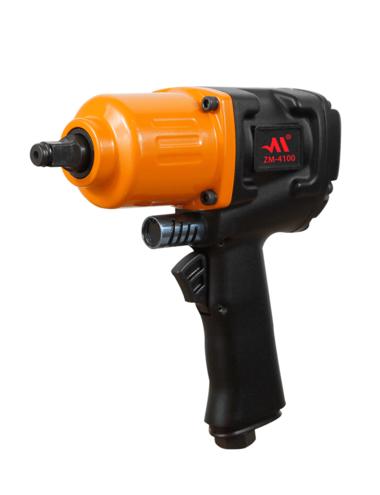
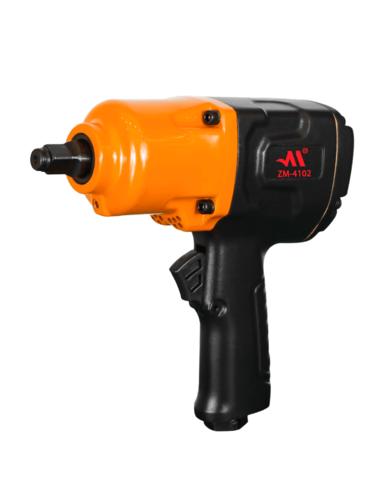
The pneumatic tools manufacturer sector has maintained consistent production as demand for air-powered equipment remains strong across vehicle repair, metal fabrication, and building construction. Unlike electric tools that carry risk of shock or motor burnout, products from a pneumatic tools manufacturer operate on compressed air and tolerate continuous duty cycles. Professional mechanics and assembly line workers have relied on pneumatic tools manufacturer products for fastening, grinding, cutting, and drilling applications. The power density and durability of tools from a pneumatic tools manufacturer explain their continued preference in industrial settings. Manufacturing facilities continue to refine air motor designs for improved efficiency and lower noise output.
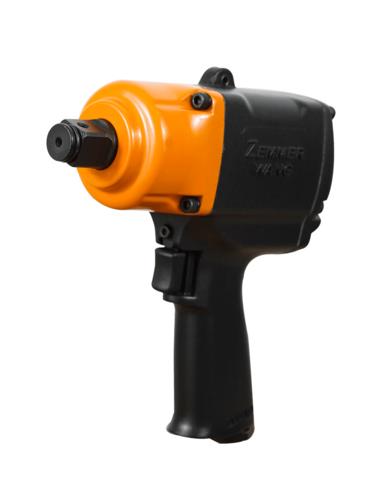
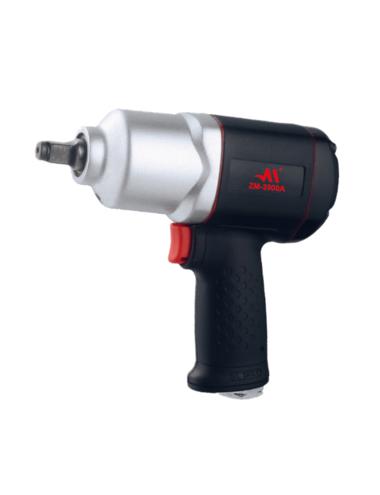
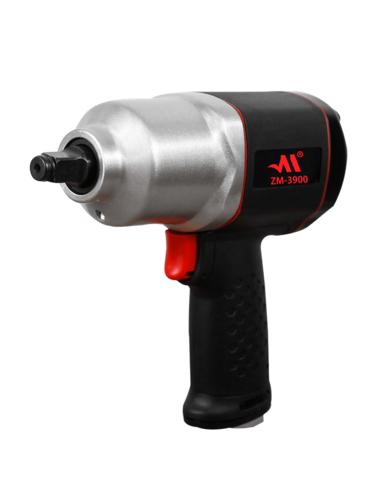
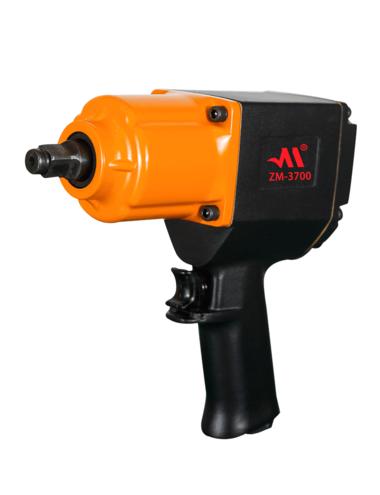
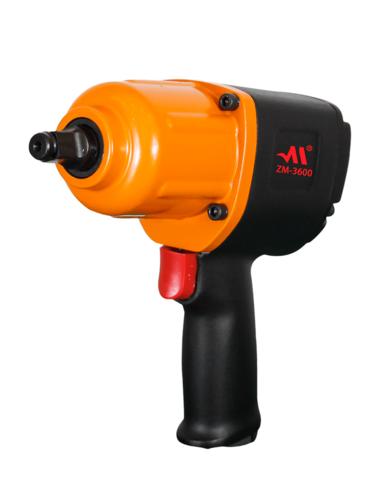
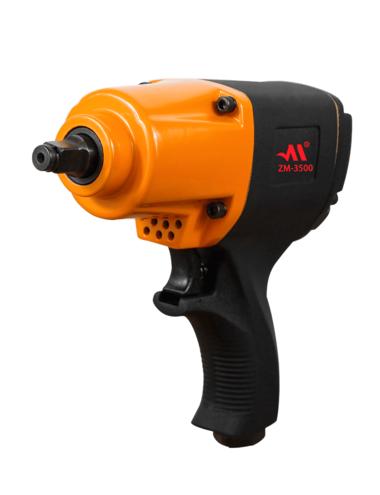
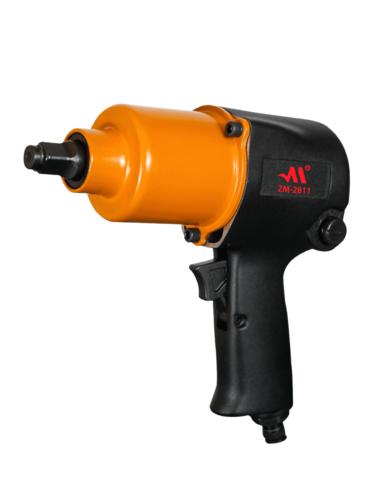
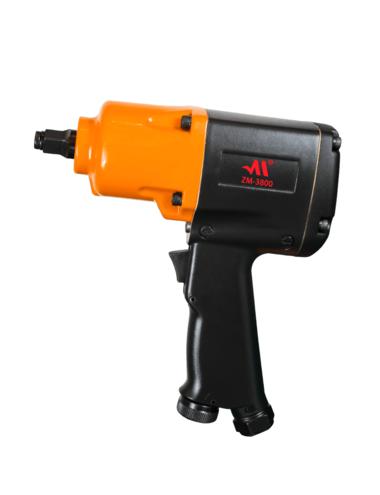
Tool categories from a pneumatic tools manufacturer include impact wrenches, grinders, drills, sanders, and staplers. An impact wrench from a pneumatic tools manufacturer delivers high torque for lug nut removal and suspension work. A die grinder from a pneumatic tools manufacturer suits porting, deburring, and surface finishing tasks. A pneumatic drill from a pneumatic tools manufacturer offers variable speed control for metal and wood drilling. An orbital sander from a pneumatic tools manufacturer prepares surfaces for painting or coating application. A staple gun from a pneumatic tools manufacturer drives fasteners into wood framing for upholstery or construction.
Air motor design represents a core competency for any pneumatic tools manufacturer. A vane-type air motor used by a pneumatic tools manufacturer converts compressed air into rotary motion with few moving parts. The number of vanes in a pneumatic tools manufacturer motor affects starting torque and low-speed operation. A geared air motor from a pneumatic tools manufacturer reduces output speed while increasing available torque. A turbine-style air motor from a pneumatic tools manufacturer suits high-speed applications such as dental drills or engraving tools. The air motor housing from a pneumatic tools manufacturer contains exhaust ports that direct spent air away from the work area.
Ergonomics receive attention from pneumatic tools manufacturer engineers to reduce operator fatigue. A composite housing on a pneumatic tools manufacturer product reduces weight and insulates against cold air exhaust. The handle angle designed by a pneumatic tools manufacturer affects wrist position during extended use. A rubber grip overlay from a pneumatic tools manufacturer provides slip resistance when hands are wet or oily. The trigger placement on a pneumatic tools manufacturer product allows feathering for speed control without hand repositioning. A balanced design from a pneumatic tools manufacturer prevents the tool from tipping forward or backward when set down.
Air consumption ratings for pneumatic tools manufacturer products determine compressor requirements. A small pneumatic tools manufacturer tool such as a trim stapler consumes 1 to 2 cubic feet per minute at 70 to 90 psi. A medium pneumatic tools manufacturer tool like a 1/2-inch impact wrench requires 4 to 6 cubic feet per minute for full performance. A large pneumatic tools manufacturer product such as a 7-inch angle grinder may consume 15 to 25 cubic feet per minute during heavy use. The air inlet size on a pneumatic tools manufacturer product affects how much flow the tool can receive. A properly sized hose for a pneumatic tools manufacturer product prevents pressure drop at the tool inlet.
The pneumatic tools manufacturer segment will likely continue serving users who need power density and duty cycle. Advances in air motor efficiency may reduce operating costs for pneumatic tools manufacturer products. For professionals seeking durable tools without battery charging delays, the pneumatic tools manufacturer offers a practical solution.
Zhengmao is an export enterprise specializing in the production, service and development of pneumatic tools.
 English
 中文简体
中文简体 Deutsch
 Español
 Français
 русский
 عربى
عربى