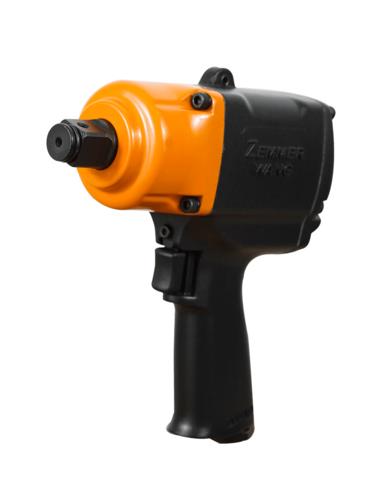
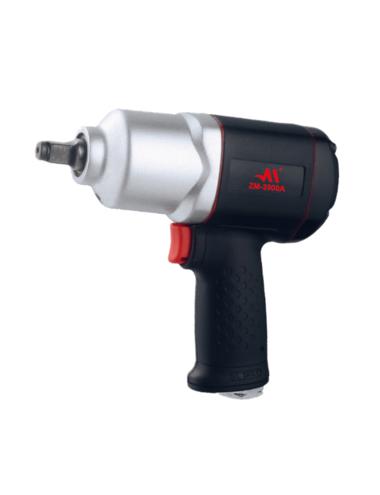
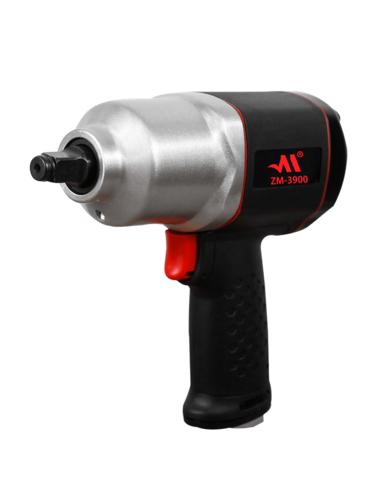
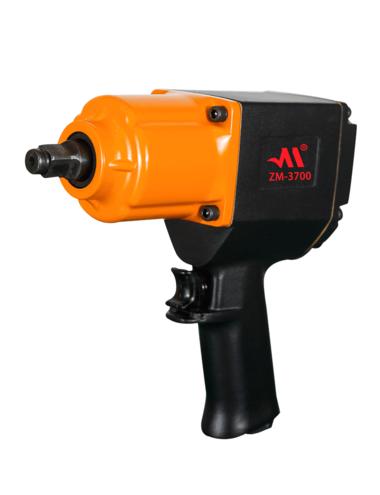
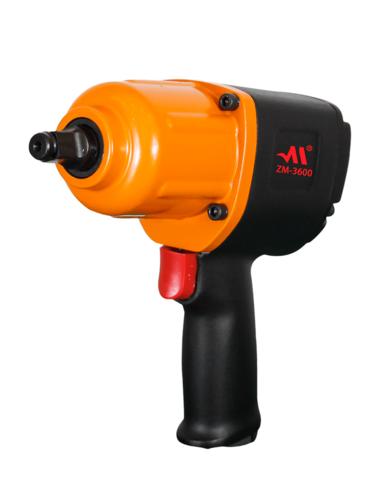
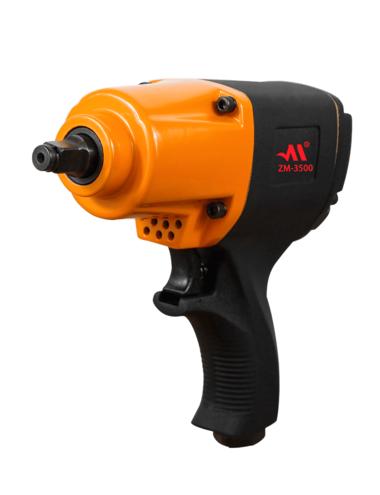
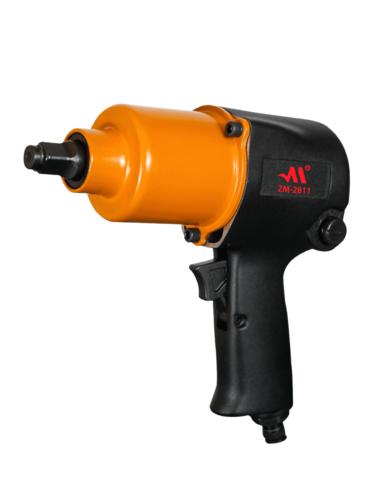
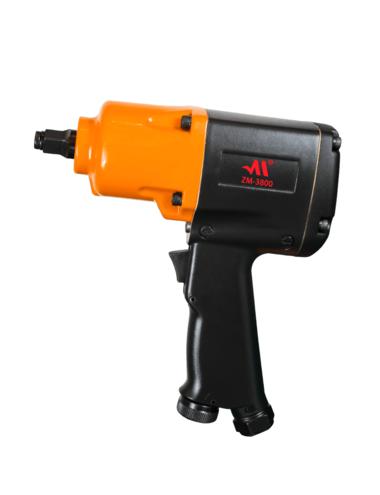
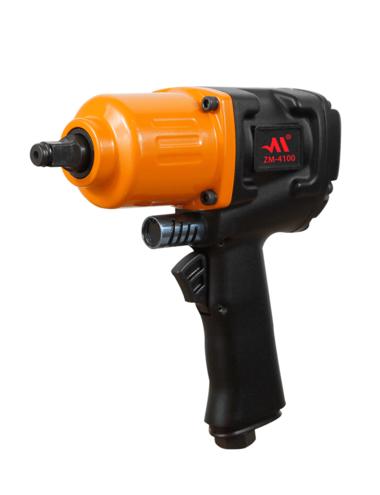
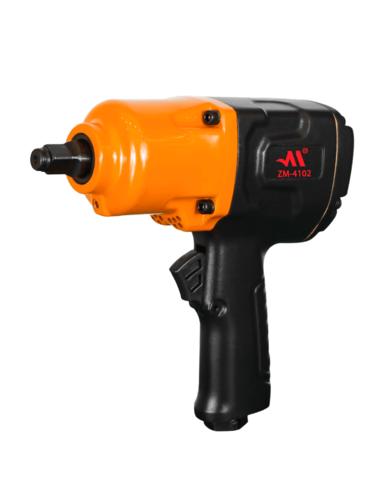
In an era increasingly fascinated by electrification and smart tools, the fundamental role of the torque air wrench in professional workshops and industrial assembly lines remains unchallenged. This pneumatic powerhouse, known for its exceptional speed, unwavering reliability, and formidable torque output, continues to be the backbone of operations where precision, speed, and durability are non-negotiable. While new technologies emerge, the torque air wrench stands firm, its design superbed over decades, delivering consistent performance that keeps critical industries moving.
The core advantage of a torque air wrench lies in its simplicity and power-to-weight ratio. Driven by compressed air, these tools generate immense rotational force with small internal complexity. This results in a lightweight tool capable of delivering high torque repeatedly without overheating, a common challenge for their electric counterparts during sustained, heavy-duty use. For tasks like securing large bolts on machinery, fastening components in automotive repair, or structural assembly in manufacturing, the torque air wrench is the preferred instrument. Its consistent power delivery ensures that every fastener is tightened to the exact same specification, which is crucial for safety, integrity, and quality control.
Modern iterations of the torque air wrench have seen significant refinements that enhance user experience and precision. Ergonomic designs reduce operator fatigue, while improved sound-dampening technologies create a quieter working environment. A key development is the integration of more precise torque control mechanisms. While traditionally valued for sheer speed in running down nuts, today’s torque air wrench models often feature adjustable clutches or regulators that allow mechanics to approach a target torque before finalizing with a calibrated hand tool, or are paired with in-line torque monitors. This addresses the critical need for accurate fastener tension, preventing both under-tightening, which leads to failures, and over-tightening, which can damage threads and components.
The operational economics of the torque air wrench also contribute to its enduring presence. With fewer electronic components vulnerable to dust, vibration, or moisture, a well-maintained torque air wrench boasts an exceptionally long service life. Maintenance typically involves basic care of the air motor and routine lubrication, making it a cost-effective solution over time. Its dependence on a compressed air system is viewed not as a limitation, but as a integration into a workshop's existing, robust infrastructure, providing continuous power without battery-related downtime or charging cycles.
The development trajectory for the torque air wrench focuses on refinement rather than revolution. Enhancements in material science are pilot to even lighter and more durable housings. Engineers are continuously working to improve airflow dynamics for greater efficiency and reduced air consumption. The focus remains on providing that unmatched blend of power, reliability, and control that professionals depend on.
The torque air wrench is far from a relic. It is a mature, essential technology that has adapted to the demands of modern precision work. Its sustained use across diverse sectors from automotive to heavy equipment servicing and industrial manufacturing is a testament to its irreplaceable function. As long as there is a need for fast, powerful, and dependable fastening, the torque air wrench will continue to be a fundamental tool in the professional’s arsenal, its distinctive sound synonymous with progress and repair.
Zhengmao is an export enterprise specializing in the production, service and development of pneumatic tools.
 English
 中文简体
中文简体 Deutsch
 Español
 Français
 русский
 عربى
عربى