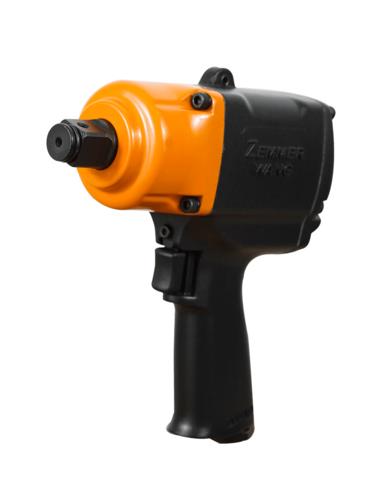
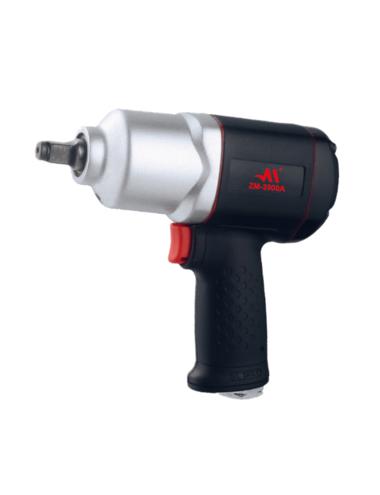
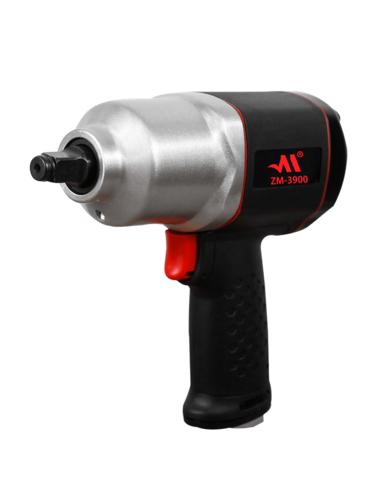
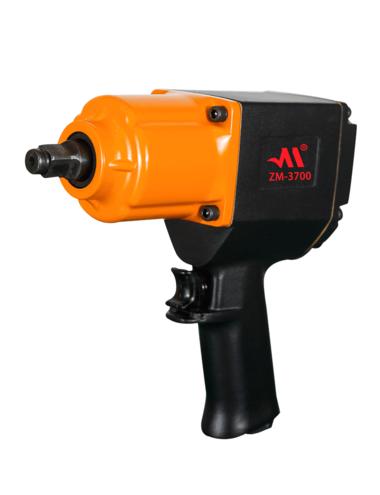
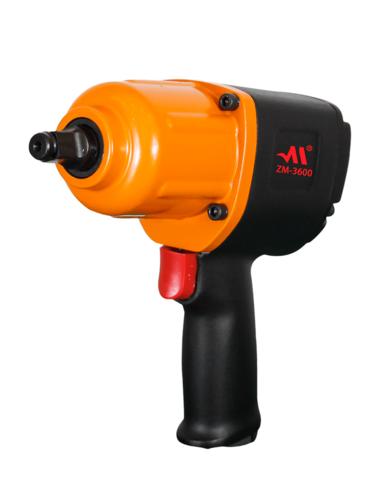
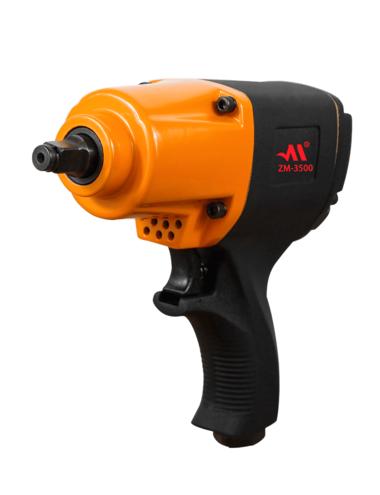
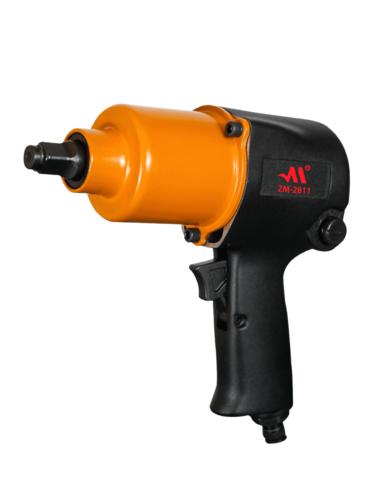
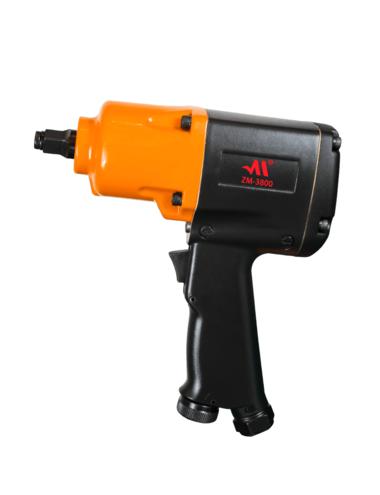
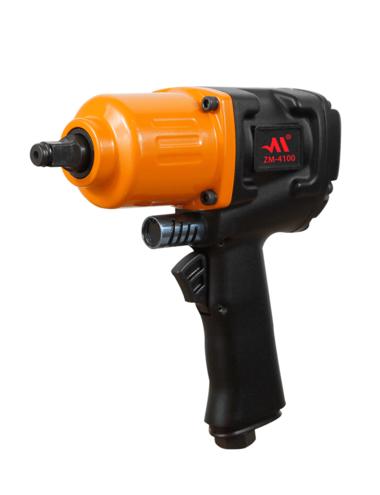
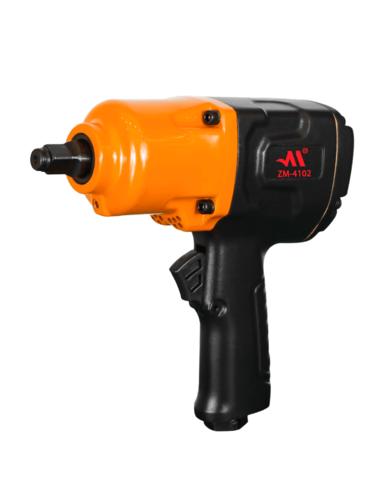
A tool that is easy to hold overhead for an hour and a tool that can break loose a seized bolt on the initial attempt are not always the same tool, and buyers sourcing this category often discover the tradeoff between the two only after a shipment arrives. A 1/2 inch air impact gun sits at a size class where manufacturers have to balance weight against torque output more deliberately than in larger tool classes, since this size is used across such a wide range of tasks. Understanding where a specific model lands on that spectrum, rather than assuming every 1/2 inch air impact gun performs the same way, saves buyers from a mismatch discovered only after the tools are already in daily use.
A 1/2 inch air impact gun shows up across automotive repair, general construction, and light manufacturing precisely because this bolt size range covers the majority of fasteners technicians encounter day to day, unlike the larger 3/4-inch or 1-inch classes built for heavier truck and industrial fasteners specifically. This broad applicability is exactly why weight and torque tradeoffs matter more here than in more specialized tool classes, since a single model in this range often needs to handle both routine and demanding tasks within the same shift.
Adjustable torque settings on a 1/2 inch air impact gun let a single tool cover both delicate fastener work and heavier bolt removal without switching tools mid-task, which matters especially at this size since the range of jobs this tool handles is broader than either larger or smaller impact tool classes. Buyers should confirm how many discrete torque settings a model offers and whether the adjustment is a stepped dial or a continuous control, since the two designs suit different working styles and levels of precision needed.
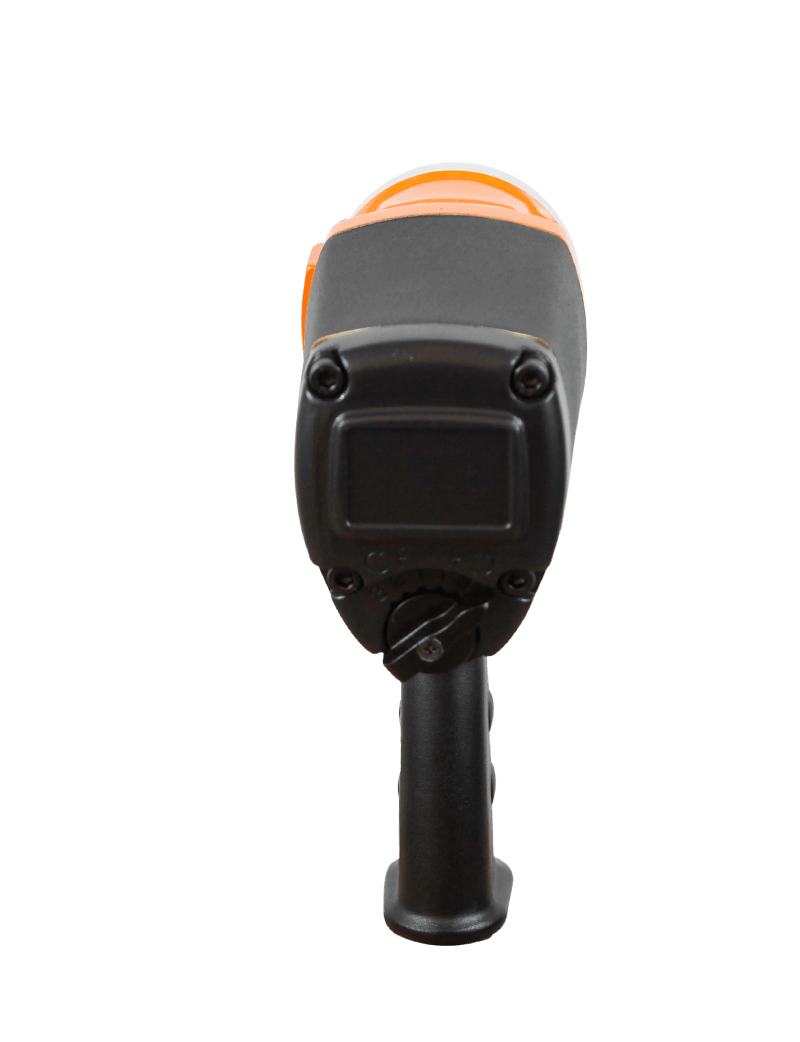
Directional control, the ability to switch between tightening and loosening without repositioning the tool, is close to a standard expectation in this category, but the quality of that switch mechanism varies meaningfully between suppliers. A directional switch that requires excessive force or feels imprecise under gloved hands slows down repetitive work more than buyers typically anticipate when comparing tools primarily on torque specifications, since this is a detail that only becomes apparent through hands-on testing rather than a spec sheet review.
A lightweight design reduces operator fatigue during extended use, particularly for tasks performed overhead or in awkward positions common in automotive undercarriage work, but achieving this without weakening the housing requires careful material selection rather than simply using thinner metal throughout. Buyers should ask how a supplier achieves weight reduction specifically, since a housing that has been thinned without compensating design changes elsewhere is more prone to cracking under the repeated impact stress this tool category generates.
|
Use Case |
Priority |
Typical Trade-off |
|
Automotive repair, overhead work |
Light weight, comfortable grip |
Slightly lower peak torque |
|
General construction fastening |
Balanced weight and torque |
Moderate air consumption |
|
Heavier equipment maintenance |
Higher torque output |
Increased weight and air draw |
|
High-frequency shop use |
Durable housing, adjustable settings |
Higher unit cost |
Since a 1/2 inch air impact gun depends entirely on compressed air to generate its torque output, buyers should size their compressor and air line diameter to the tool's air consumption rating rather than assuming any standard shop compressor will deliver full rated performance. A tool that tests well on a well-supplied compressor at the factory can underperform noticeably once installed on a smaller or more distant compressor setup at the buyer's own facility, which is a sourcing detail worth confirming before placing a bulk order rather than discovering after the tools are already in daily use. Buyers evaluating multiple 1/2 inch air impact gun models side by side should request air consumption figures alongside torque ratings, since the two specifications together tell a fuller story than torque output alone.
Zhengmao is an export enterprise specializing in the production, service and development of pneumatic tools.
 English
 中文简体
中文简体 Deutsch
 Español
 Français
 русский
 عربى
عربى