Washer pump is a small but essential component inside a washing machine, responsible for removing dirty water from the tub at the end of each cycle. When this part fails, water remains in the machine, laundry stays soaked, and the wash process cannot continue. Despite its modest size, the washer pump plays a critical role in the overall function of the appliance.
The basic operation of a washer pump is straightforward. An electric motor turns an impeller, which is a small rotor with curved blades. As the impeller spins, it creates suction that draws water from the washing machine tub through a hose and pushes it out through a drain hose. Lot of washer pumps are designed to handle small amounts of lint and debris, but larger objects or heavy buildup can cause blockages or damage.
Two main types of washer pumps exist in modern machines. A drain pump only removes water from the tub at the end of a cycle. A recirculation pump, found in some high-efficiency machines, moves water from the bottom of the tub back to the top during the wash cycle, spraying clothes continuously. Some machines use separate pumps for these functions, while others combine them into a single unit with multiple ports.
Common signs of a failing washer pump include water remaining in the tub after a cycle completes, unusual noises during draining, or error codes displayed on the machine control panel. A pump that runs but does not move water may have a broken impeller or a blocked inlet. A pump that makes grinding or buzzing sounds may have a foreign object caught in the impeller. A pump that does not run at all may have an electrical failure or a problem with the machine control board.
Maintenance can extend the life of a washer pump. Cleaning the pump filter, if the machine has one, removes coins, buttons, and other small items that could damage the impeller. Running an occasional cleaning cycle with a washing machine cleaner helps prevent buildup of soap residue and fabric softener, which can clog the pump over time. Avoiding excessive detergent use reduces the amount of suds that can interfere with pump operation.
Replacing a washer pump is a common repair that many homeowners handle themselves. The replacement part cost is generally modest compared to the price of a new washing machine. The repair involves disconnecting power and water, removing access panels, disconnecting hoses and electrical connections, and installing the new pump. Total time for an experienced person is often one to two hours. However, accessing the pump on some machines requires disassembling significant portions of the appliance.
Professional repair services frequently encounter failed washer pumps. A service technician can diagnose the problem quickly by listening for pump operation, checking for blockages, and testing electrical continuity. In some cases, the issue is not the pump itself but a clogged hose or a faulty pressure switch that tells the control board when to activate the pump. A thorough diagnosis prevents unnecessary replacement of a working pump.
For a washing machine that leaves clothes sopping wet, the washer pump is often the culprit. Replacing this small component restores proper draining and allows the machine to complete cycles normally. It is a repair that brings an appliance back to working order without the expense of full replacement.
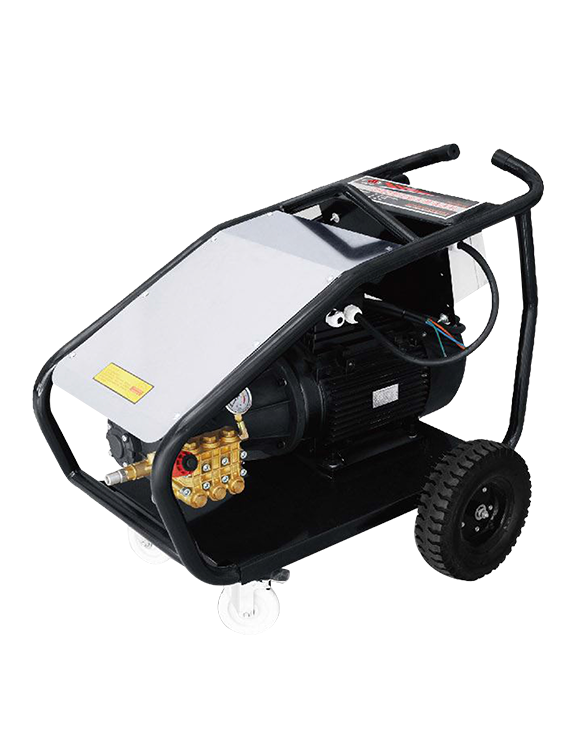
Zhengmao is an export enterprise specializing in the production, service and development of pneumatic tools.
 English
 中文简体
中文简体 Deutsch
 Español
 Français
 русский
 عربى
عربى