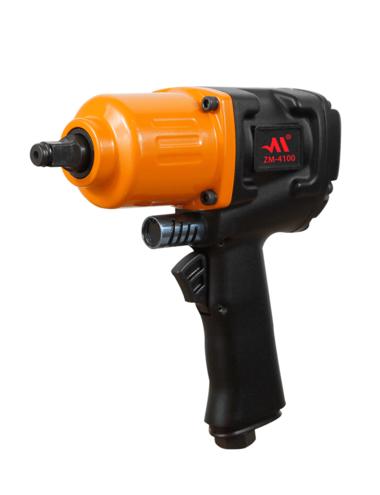
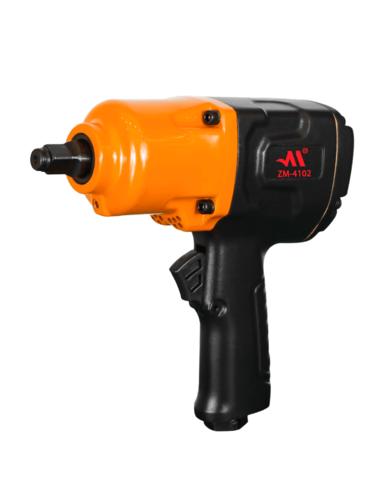
Hydraulic impact gun operators occasionally encounter a situation that seems contradictory.
The bolt has already moved.
The initial resistance is gone.
The impact sound changes, indicating that the fastener has broken free from its original position. Yet after a few turns, progress suddenly slows down. In some cases, the bolt feels almost as difficult to remove as it did at the beginning.
For technicians working on heavy equipment, pipelines, pumps, and structural connections, this is a familiar problem.
And corrosion is not always the reason.
Breaking Free And Coming Out Are Different Things
Many people assume the difficult part is loosening the fastener.
Experienced maintenance crews often see it differently.
A hydraulic impact gun may successfully overcome the initial locking force, but the threads still have to travel through the entire connection. If the bolt has experienced years of vibration, load cycles, dirt accumulation, or slight deformation, resistance can continue long after the movement occurs.
Actually, some bolts are easier to break loose than they are to remove completely.
That surprises many new technicians.
Thread Damage Often Hides Inside The Joint
On older equipment, visible rust is only part of the story.
A bolt can appear relatively clean from the outside while the threads deeper inside the assembly tell a different story. Small burrs, crushed thread sections, or metal particles may create friction that is impossible to see during inspection.
When using a hydraulic impact gun, operators sometimes notice this through sound rather than sight.
The tool continues working, but the fastener advances unevenly. The rhythm changes. Resistance comes and goes.
Those subtle clues often indicate that something is happening inside the connection.
Large Flanges Reveal The Problem Quickly
This situation appears regularly during flange maintenance.
Imagine a pipeline flange that has remained assembled for several years. After the sooner movement, the bolt should theoretically back out smoothly.
In reality, technicians sometimes find that progress becomes inconsistent after only a few turns.
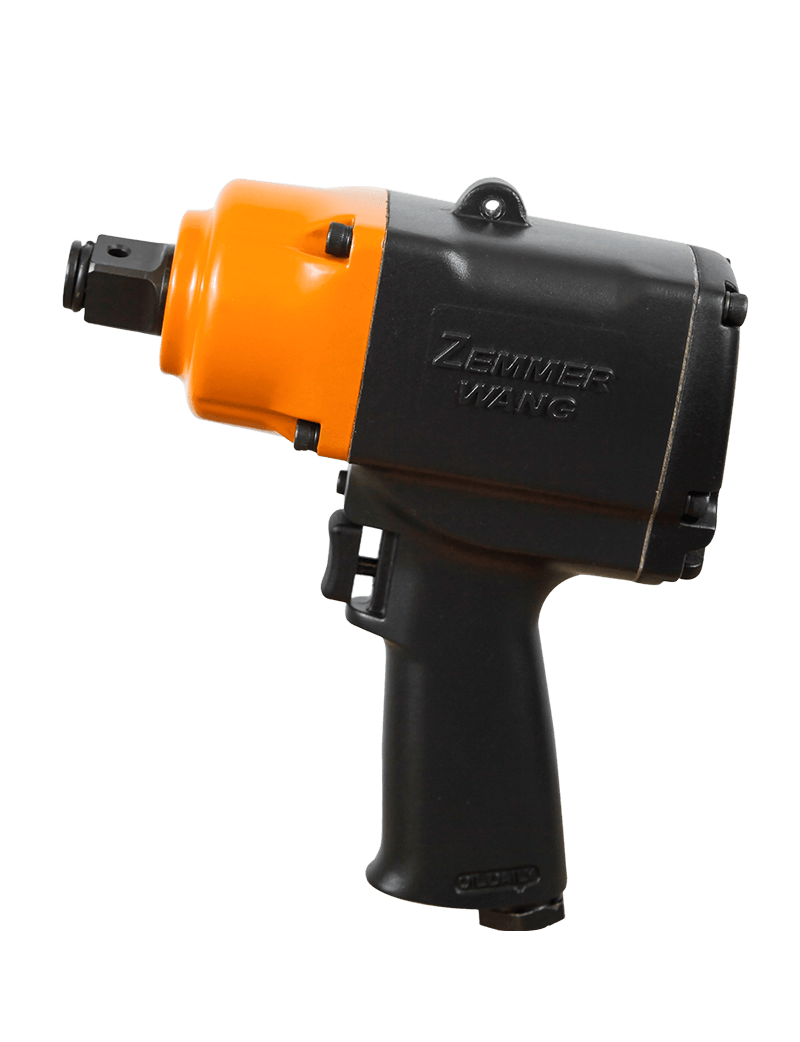
A hydraulic impact gun can continue rotating the fastener, but the bolt may encounter contamination, thread wear, or slight misalignment within the joint.
The bolt is no longer locked.
It is simply struggling to travel.
Experienced Technicians Listen Carefully
One interesting habit among veteran maintenance workers is how much attention they pay to sound.
A less experienced operator may focus entirely on movement. A veteran often listens .
When a hydraulic impact gun begins producing a different impact pattern, it can reveal changes occurring inside the connection. A smoother sound may indicate that resistance is decreasing. An irregular pattern may suggest debris, damaged threads, or inconsistent loading.
The fastener often communicates more information than people expect.
You just have to know what to listen for.
Faster Is Not Always Better
When a stubborn bolt finally starts moving, the natural reaction is to finish the job as quickly as possible.
However, experienced crews often slow down when conditions become unpredictable.
If resistance suddenly changes, technicians may pause and inspect the connection rather than forcing the fastener through damaged sections. This approach can help avoid broken bolts, damaged threads, or additional repair work later.
The goal is not simply removing the bolt.
The goal is removing it without creating a second problem.
The Movement Is Only The Beginning
People often celebrate the moment a seized fastener finally breaks free.
For many maintenance professionals, that moment marks the start of a different challenge.
A hydraulic impact gun can help overcome the initial resistance, but the condition of the threads, the age of the equipment, and the history of the joint continue influencing the removal process.
That is why experienced technicians rarely judge a difficult fastener by the turn alone.
Sometimes the real story begins after the bolt has already started moving.
Zhengmao is an export enterprise specializing in the production, service and development of pneumatic tools.
 English
 中文简体
中文简体 Deutsch
 Español
 Français
 русский
 عربى
عربى