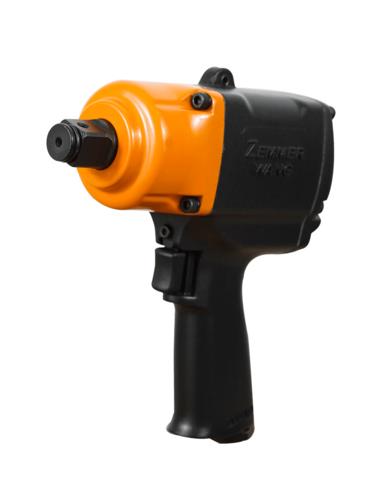
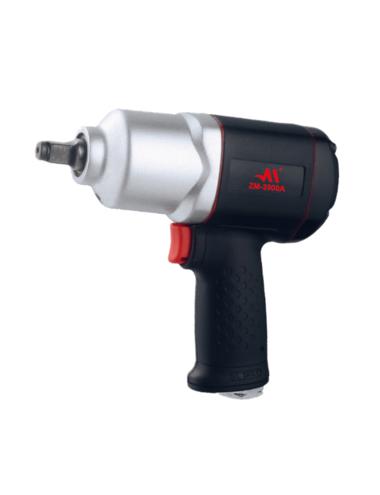
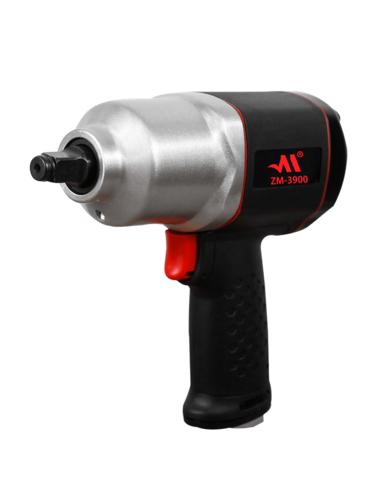
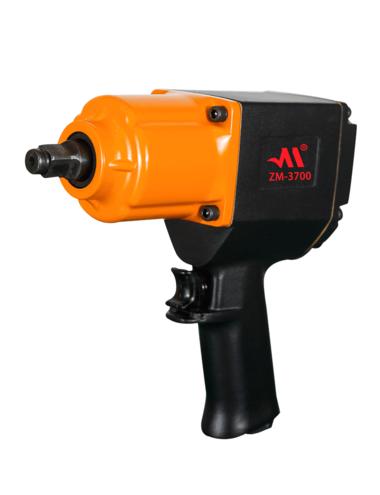
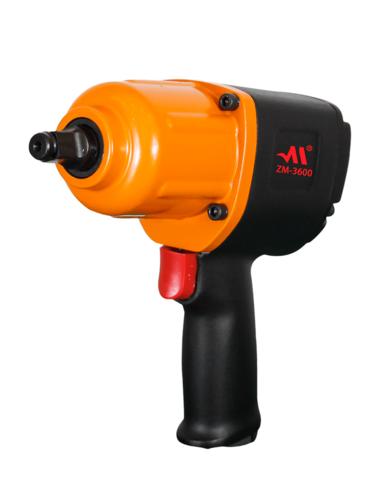
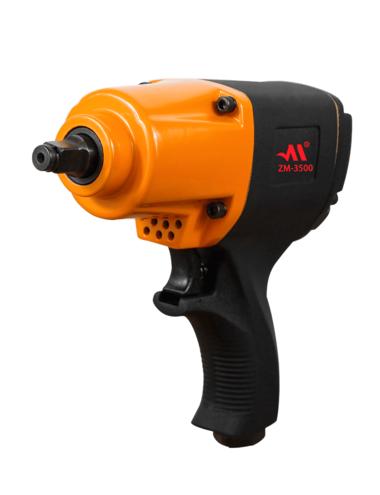
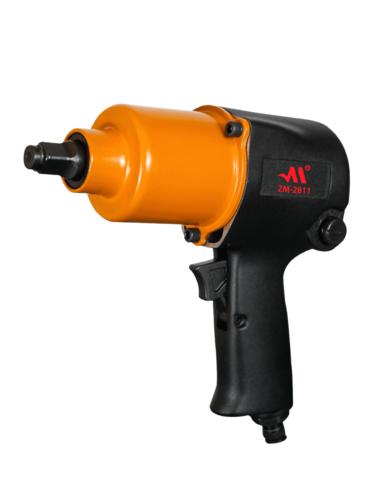
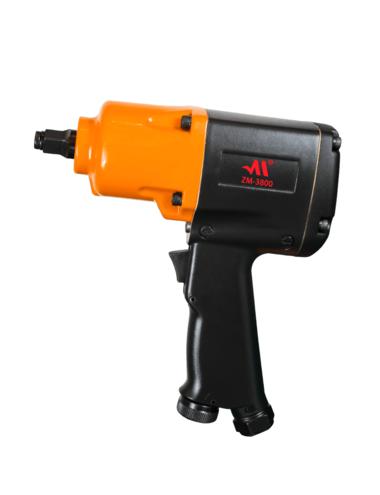
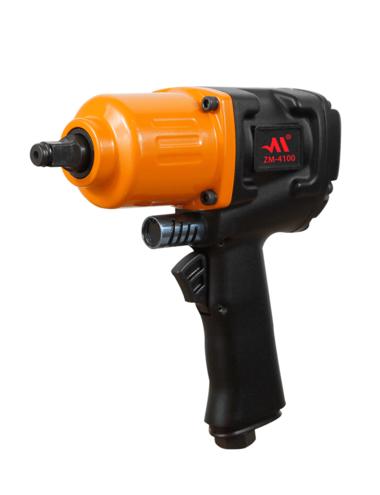
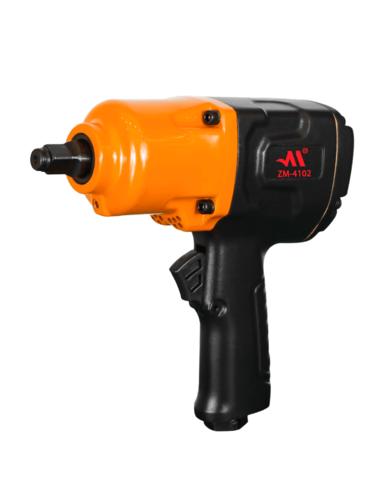
A Heavy Duty Air Impact Gun may look complete after the outer housing is assembled, but the real working condition depends on what happens inside the tool. Pneumatic impact tools operate through a combination of compressed air, internal moving components, and impact mechanisms. Before shipment, manufacturers need to confirm that these parts work together properly rather than relying only on appearance inspection.
For workshops, repair facilities, and industrial users, a reliable tool means more than producing force during the operation. It needs to maintain stable performance after repeated use. This is why factories continue testing and adjusting products before they leave the production line.
The outside structure is the part users see first.
Inside the tool, however, many components work at the same time.
The air motor transfers energy.
The impact mechanism creates repeated movement.
Internal parts control how that energy is delivered.
When producing a Heavy Duty Air Impact Gun, manufacturers pay close attention to how these components are assembled because small differences may influence the final operating condition.
A part that fits correctly during assembly helps reduce unnecessary vibration and unusual movement when the tool begins working.
A finished tool can pass a visual check and still require further evaluation.
Factory technicians usually connect samples to an air supply system and observe their operation.
They listen to operating sounds.
They check movement response.
They review whether the tool runs smoothly.
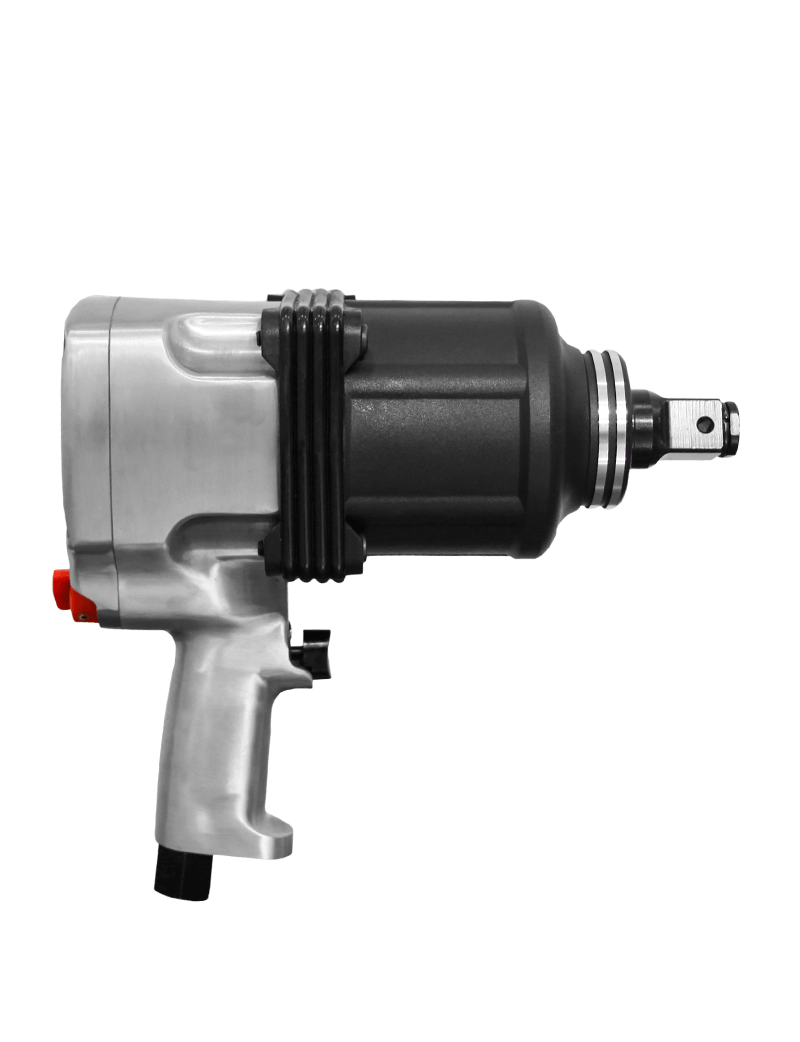
These steps help identify problems that cannot be discovered through appearance alone.
For a heavy duty air impact gun, testing is not only about confirming that the tool operates. It is about checking whether the internal structure responds correctly under working conditions.
Pneumatic tools depend on compressed air.
The condition of the air source influences how the tool performs.
During factory testing, technicians pay attention to the relationship between the tool and the air supply system.
If settings are unsuitable, the tool may not show its expected working condition.
Therefore, manufacturers usually confirm testing conditions before evaluating samples.
This approach helps separate tool-related issues from external factors and allows engineers to make more accurate adjustments during production.
Heavy-duty tools are expected to handle repeated tasks.
That expectation begins with material selection and assembly control.
During production, workers inspect important connection areas and moving components because these locations experience repeated mechanical movement.
A Heavy Duty Air Impact Gun designed for frequent use needs internal parts that can maintain their position after continuous operation.
Manufacturers, therefore focus on stable assembly rather than only checking the performance of a brand-new sample.
Factory records are usually simple.
assembly inspection completed
operating test approved
air pressure checked
final sample confirmed
These notes may not look complicated, but they provide useful information when engineers review production history.
If a future batch requires adjustment, previous records help the team understand which details need attention.
Small improvements often come from repeated production experience rather than major changes.
A pneumatic impact tool completes many operations after leaving the factory.
It may be used for vehicle maintenance.
Equipment repair.
Industrial assembly.
Each application creates repeated working cycles.
For this reason, manufacturers continue improving the production process behind every heavy duty air impact gun.
The final quality does not depend on one inspection point. It develops through component matching, assembly control, operating tests, and production feedback collected over time.
When these steps are completed carefully, the finished Heavy Duty Air Impact Gun is better prepared for real working environments where stable operation matters more than a single successful demonstration.
Zhengmao is an export enterprise specializing in the production, service and development of pneumatic tools.
 English
 中文简体
中文简体 Deutsch
 Español
 Français
 русский
 عربى
عربى