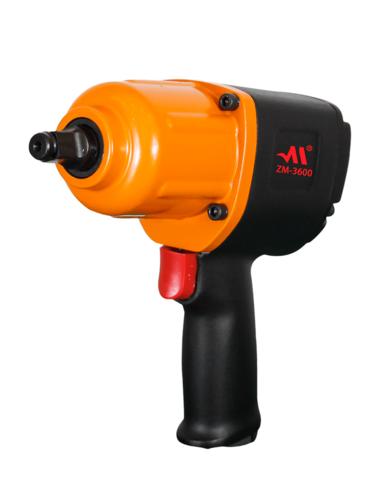
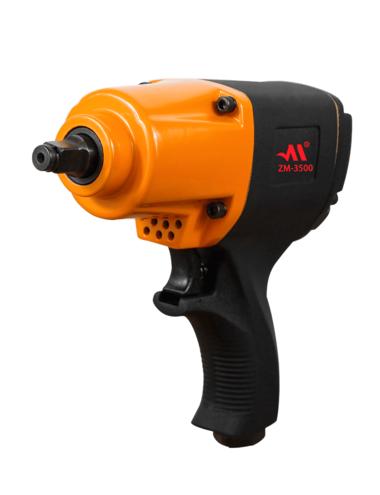
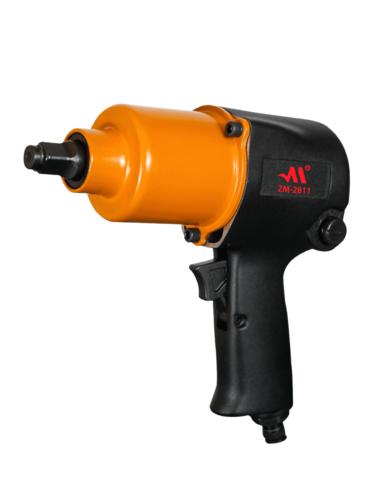
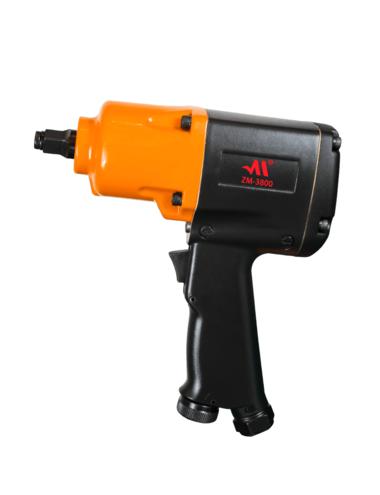
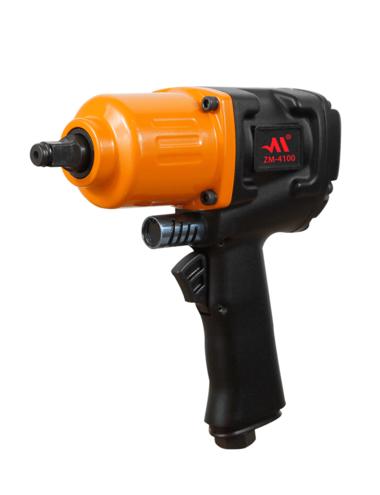
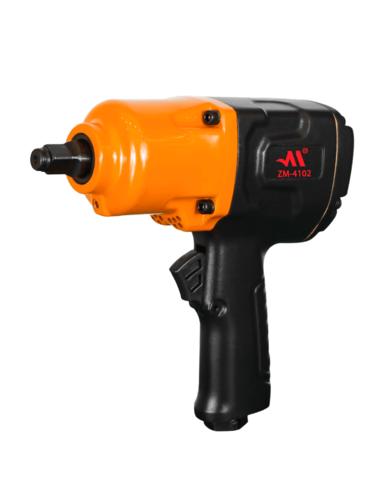
Within the global industrial manufacturing landscape, a specialized sector focuses on harnessing the power of compressed air to drive essential machinery: the pneumatic tools manufacturer. These enterprises design, engineer, and produce a vast array of tools that convert air pressure into mechanical force, creating equipment prized for its power-to-weight ratio, durability, and reliability in demanding environments. The role of a pneumatic tools manufacturer extends far beyond simple assembly; it involves a deep understanding of fluid dynamics, materials science, and ergonomic design to deliver tools that meet the rigorous demands of sectors like automotive, aerospace, construction, and general fabrication.
The core expertise of a pneumatic tools manufacturer lies in mastering the transfer of energy from compressed air to useful work. This process begins with an air motor or piston mechanism inside the tool. When compressed air is introduced, it drives this mechanism, creating rotary motion for drills and grinders or linear impact for hammers and nailers. A pilot pneumatic tools manufacturer must optimize this energy conversion for efficiency, small air consumption while big output power and control. This requires precision engineering in components like vanes, cylinders, and rotors, ensuring they can withstand high speeds, pressure fluctuations, and continuous operation without failure.
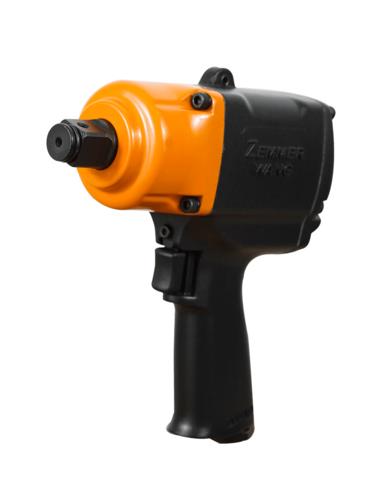
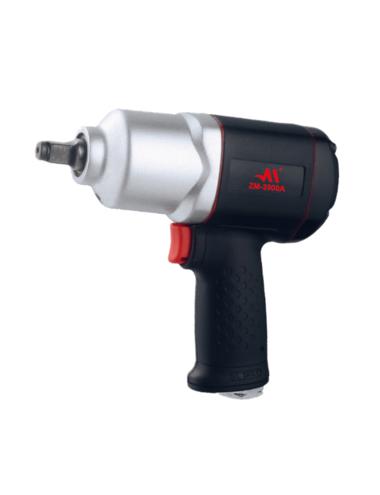
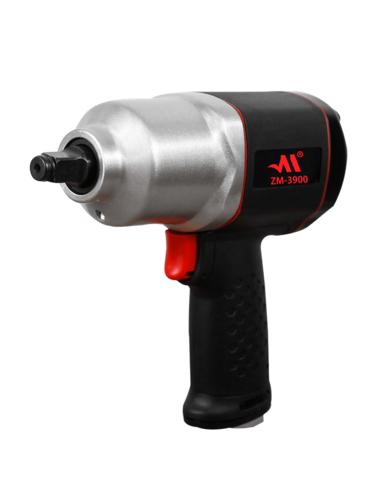
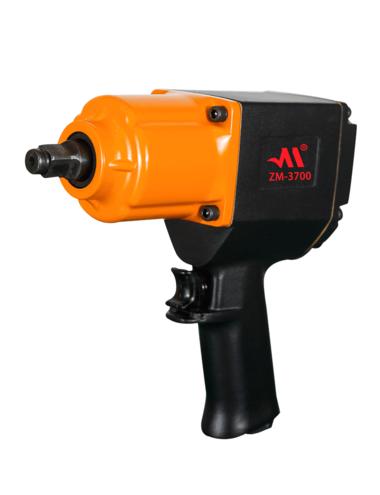
The product portfolio developed by a comprehensive pneumatic tools manufacturer is extensive, covering virtually every need on a factory floor or job site. This includes impact wrenches for fastening, drills and grinders for material removal, sanders and polishers for finishing, scalers and chipping hammers for surface preparation, and specialized assembly tools like nut runners and screwdrivers. Each category demands specific performance characteristics from the pneumatic tools manufacturer, such as precise torque control for assembly lines or high-impact energy for demolition. The ability to produce a cohesive ecosystem of compatible, high-performance tools is a mark of a mature pneumatic tools manufacturer.
Material selection and durability are paramount concerns for any reputable pneumatic tools manufacturer. These tools are subjected to vibration, particulate contamination from the air supply, mechanical shock, and occasionally harsh environmental conditions. Therefore, housings are often forged from high-strength aluminum alloys for a light yet robust frame. Internal components require hardened steels and specialized coatings to resist wear. A forward-thinking pneumatic tools manufacturer also designs for serviceability, creating tools that can be disassembled for maintenance, with replaceable parts like triggers, rotors, and seals readily available, thereby extending the tool's operational life significantly.
Innovation remains a driving force for a competitive pneumatic tools manufacturer. While the fundamental technology is mature, advancements focus on ergonomics, noise reduction, and performance refinement. Modern tools from a progressive pneumatic tools manufacturer feature vibration-dampening materials and handle designs to reduce operator fatigue. Silencing technologies are integrated into exhaust pathways to lower workplace noise.
The strategic focus for a pneumatic tools manufacturer involves adapting to evolving industrial trends. This includes creating tools compatible with advanced factory automation and robotic systems, requiring interface standardization and reliability for unattended operation. There is also a growing emphasis on sustainability, pushing manufacturers to design tools that use less compressed air—a major energy cost for end-users—and to utilize more recyclable materials. As industries worldwide continue to rely on the intrinsic safety (no risk of sparks in flammable environments) and brute-force capability of air power, the pneumatic tools manufacturer will continue to be a foundational supplier, innovating to keep pace with the changing needs of modern production and construction.
Zhengmao is an export enterprise specializing in the production, service and development of pneumatic tools.
 English
 中文简体
中文简体 Deutsch
 Español
 Français
 русский
 عربى
عربى