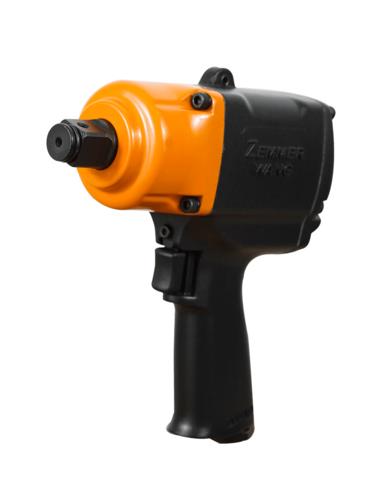
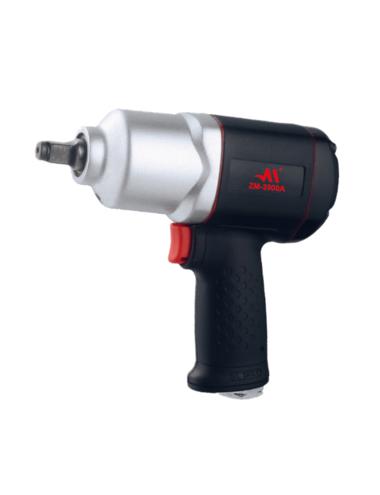
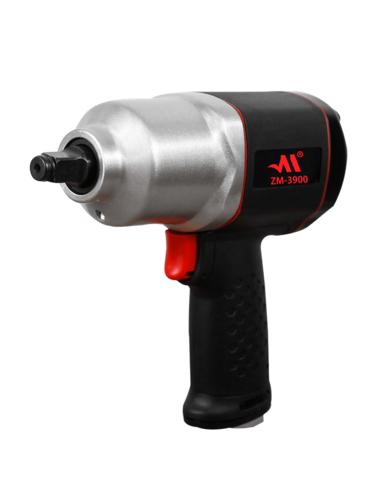
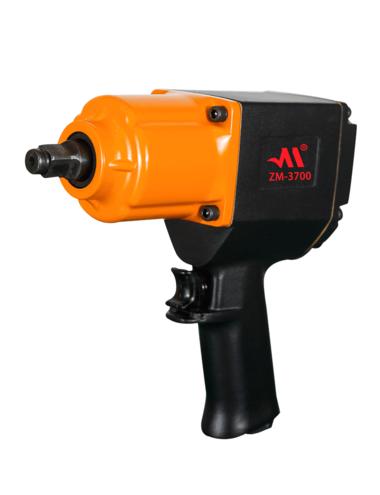
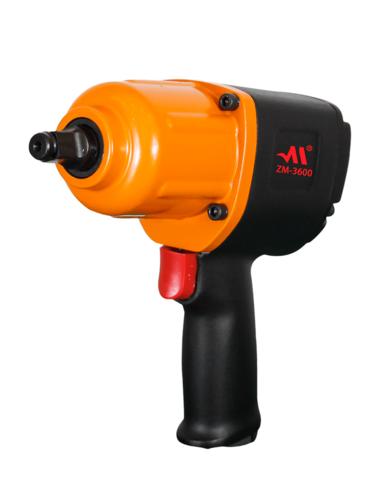
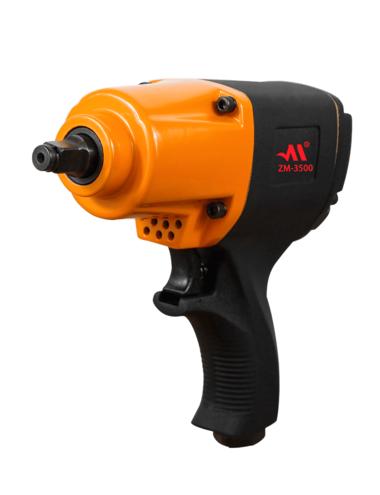
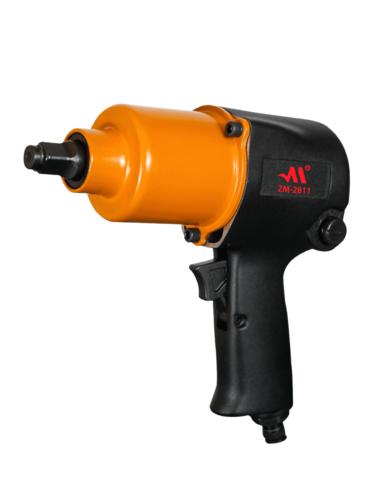
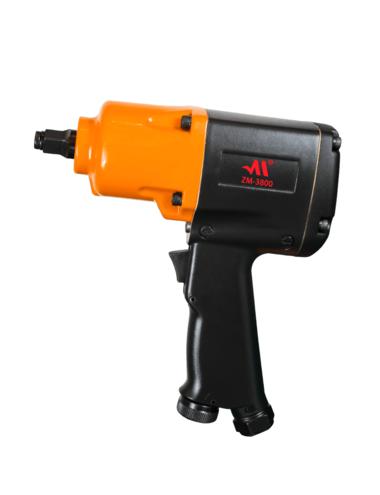
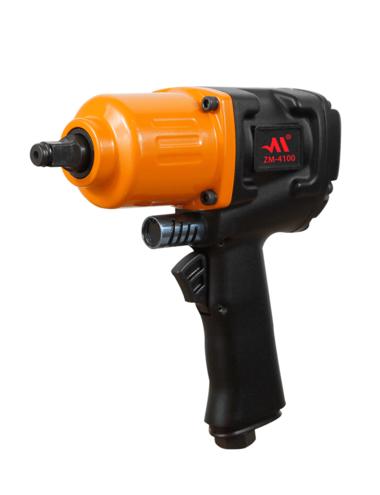
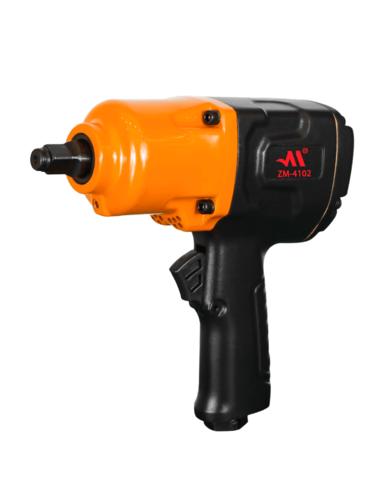
Across industries where precise mechanical fastening is critical, the torque air wrench has become an indispensable asset. This specialized pneumatic tool, designed to apply a specific, predetermined rotational force to a fastener, ensures consistency, reliability, and efficiency in assembly and maintenance processes. From automotive manufacturing and heavy equipment repair to energy infrastructure and production lines, the torque air wrench delivers the accuracy necessary for safety and quality control.
At its core, a torque air wrench is engineered to translate compressed air power into a controlled tightening force. Unlike standard impact wrenches that focus on high speed and power for removal, a torque air wrench is calibrated to stop applying force once a pre-set torque value is reached. This functionality is vital for applications where under-tightening can cause failures and over-tightening can damage components or threads. Modern torque air wrench models achieve this through sophisticated internal mechanisms, such as clutch systems that disengage at the target torque, ensuring repeatable results with small variance.
The primary advantage of using a torque air wrench is the enhancement of operational consistency and product integrity. In high-volume manufacturing environments, such as engine or chassis assembly, each fastener must meet exact specifications. A torque air wrench allows technicians to achieve this uniformly, reducing human error and the risk of costly rework or warranty claims. The tool's ability to document torque data, when integrated with a controller, also supports quality assurance protocols and traceability, which are increasingly important in regulated industries.
Technological integration is advancing the capabilities of the torque air wrench. Contemporary models often feature electronic sensors and regulators that provide real-time feedback. Wireless data transmission from the torque air wrench to a central monitoring system allows supervisors to verify every fastened joint in a complex assembly, creating a digital record. Furthermore, advancements in ergonomics—such as lighter materials, reduced vibration, and balanced designs—help less operator fatigue during repetitive tasks, contributing to both productivity and workplace safety.
The versatility of the torque air wrench is reflected in its range of configurations. Tools are available in various sizes and torque capacities, from compact models for delicate electronics assembly to large, high-torque versions for securing bolts on wind turbines or industrial machinery. The selection of an appropriate torque air wrench depends on the required torque range, the size of the fastener, the needed accessibility, and the desired speed of operation. This adaptability makes it a valuable tool for sectors as diverse as automotive repair shops, aerospace component manufacturing, and industrial maintenance.
Maintenance and calibration are crucial for sustaining the accuracy of a torque air wrench. Regular service ensures that internal mechanisms remain clean and functional, while periodic calibration against a certified standard guarantees that the tool continues to apply the correct force. This disciplined upkeep is a standard practice in professional settings, as the reliability of the torque air wrench directly impacts the safety and durability of the assembled product.
The torque air wrench exemplifies the move towards precision in industrial tooling. It bridges the gap between raw pneumatic power and controlled, measurable output, ensuring that critical connections are made correctly every time. As manufacturing standards rise and the emphasis on data-driven quality control intensifies, the role of the reliable, accurate torque air wrench is set to become even more central, solidifying its status as a key enabler of modern, high-quality assembly and maintenance operations.
Zhengmao is an export enterprise specializing in the production, service and development of pneumatic tools.
 English
 中文简体
中文简体 Deutsch
 Español
 Français
 русский
 عربى
عربى