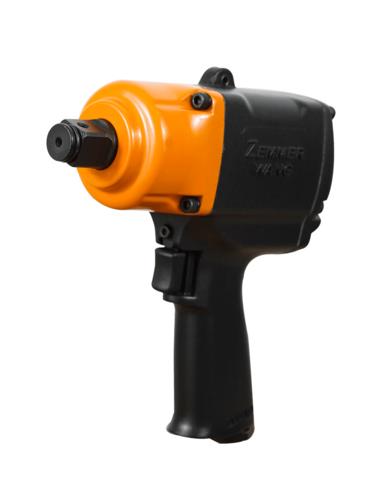
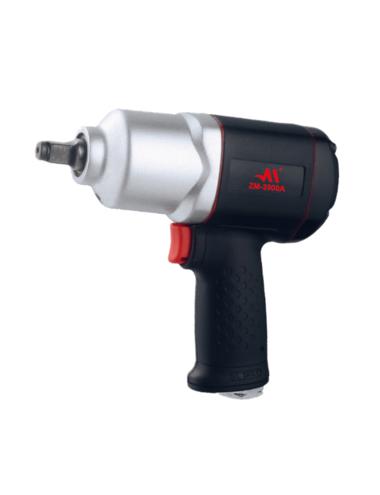
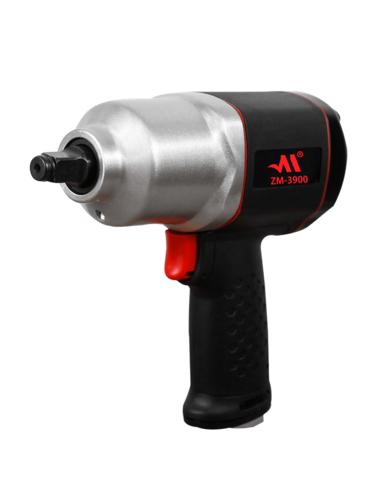
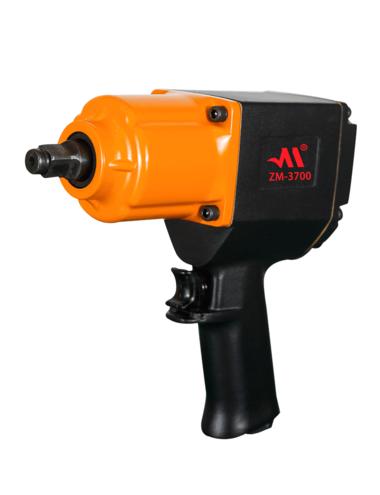
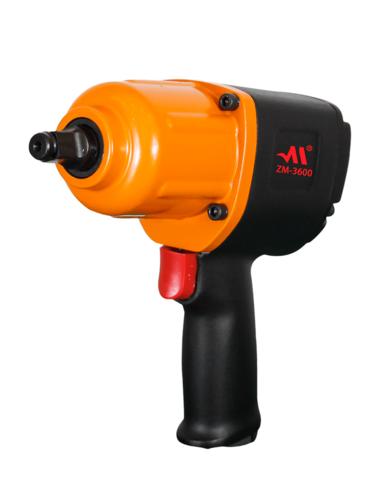
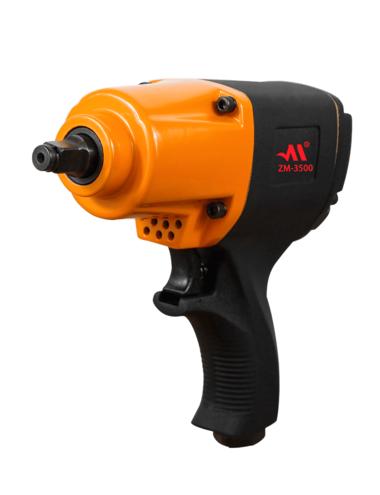
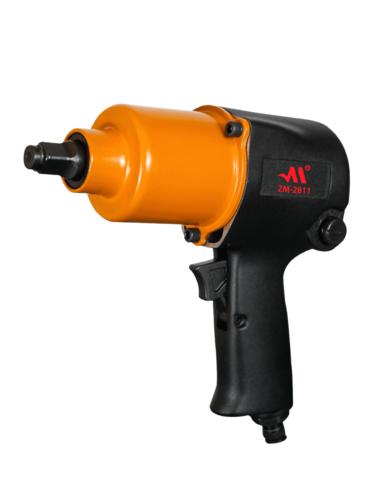
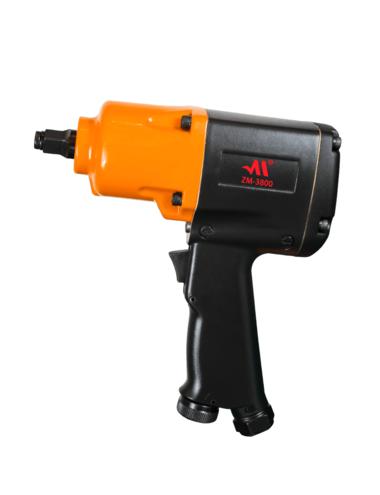
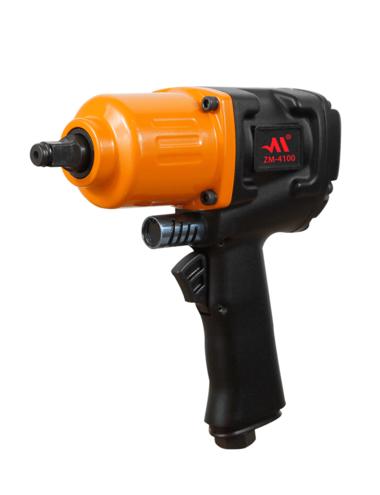
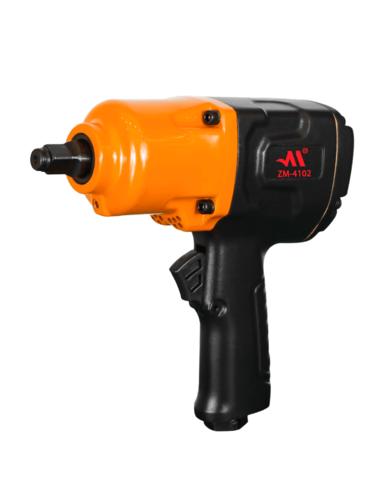
A stripped lug nut on a highway shoulder, or a rusted bolt that won't budge after three attempts with a breaker bar, is usually the moment someone realizes a manual tool isn't enough for the job. Picking the right powerful impact wrench isn't about grabbing the torque number on the shelf; it's about matching output, drive size, and air supply to the actual fastener being worked on.
Matching Drive Size To The Job
Drive size determines how much torque a wrench can safely deliver without damaging the socket or the fastener. A 1/2 inch drive suits passenger vehicle lug nuts and light mechanical repair, while 3/4 inch and 1-inch drives step up to truck axles, trailer hubs, and structural bolts on construction sites. Choosing a powerful impact wrench with a drive size larger than the application requires doesn't add value; it just adds weight and reduces control in tighter spaces.
Twin hammer mechanisms, common in mid-range and larger models, distribute impact force more evenly than single hammer designs, which reduces wear on both the tool and the fastener over repeated use.
Torque Requirements By Application
|
Application |
Typical Fastener Size |
Recommended Drive |
Torque Range Needed |
|
Passenger vehicle wheels |
M12–M14 lug nuts |
1/2 inch |
300–600 Nm |
|
Light truck and van work |
M14–M18 bolts |
1/2 to 3/4 inch |
600–1000 Nm |
|
Heavy truck and trailer axles |
M18–M24 bolts |
3/4 to 1 inch |
1000–1800 Nm |
|
Construction and bridge assembly |
Large structural bolts |
1 inch |
1800 Nm and above |
|
Engineering vehicle maintenance |
Mixed heavy fasteners |
3/4 to 1 inch |
1200–2000 Nm |
This range shows why a powerful impact wrench rated for construction-grade bolts is unnecessary, and sometimes counterproductive, for routine passenger vehicle service, where excess torque risks over-tightening or damaging threads.
Air Supply And Compressor Compatibility
Torque output on paper means little if the air compressor can't sustain the required flow. Most mid-size wrenches need somewhere between 4 and 6 CFM at 90 PSI to reach rated performance, and larger 1-inch models often require more. Running a powerful impact wrench on an undersized compressor results in inconsistent torque delivery and slower cycle times, which defeats the purpose of upgrading from a manual tool in the place.
Hose diameter and length also affect performance. A long, narrow hose introduces pressure drop before air even reaches the tool, so shops running multiple pneumatic tools off a shared line should size their compressor and hose runs with peak demand in mind, not just the rating of a single wrench.
Adjustable Settings Worth Prioritizing
Forward and reverse rotation, variable speed control, and adjustable torque settings separate a versatile tool from a single-purpose one. A heavy-duty impact wrench with fine torque adjustment lets an operator switch between loosening a seized bolt at output and tightening a finish fastener at a controlled lower setting, without needing a second tool on hand.
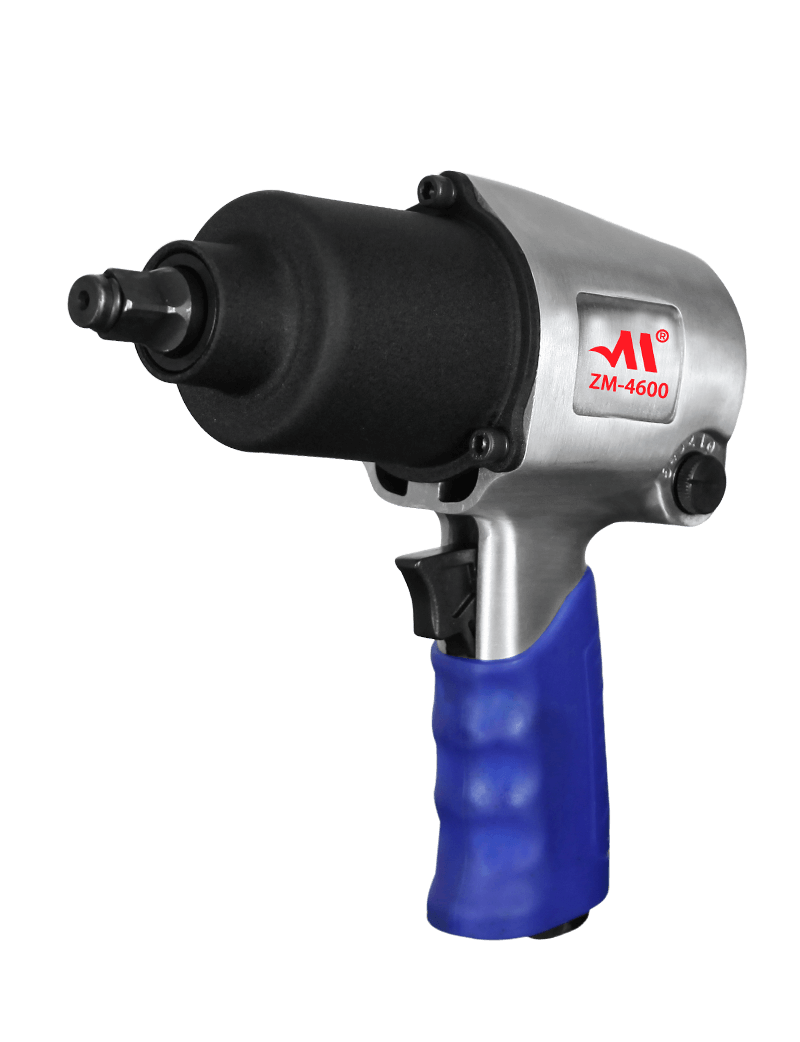
Exhaust configuration matters more than it might seem during extended use. Rear exhaust designs direct airflow away from the operator's hand, which reduces fatigue and keeps debris clear of the work area during long sessions on assembly lines or vehicle fleets.
Selecting For Daily Duty Cycle
Duty cycle, how much continuous use a tool is designed to handle, separates occasional-use models from ones built for daily production environments. A powerful impact wrench intended for a busy tire shop or fleet maintenance bay needs internal components rated for sustained operation across full shifts, not just occasional bursts of use. Buyers evaluating tools for high-volume settings should ask suppliers directly about internal component ratings and expected service intervals rather than relying on torque figures alone, since two wrenches with similar peak output can differ significantly in how long they hold up under constant daily load.
Zhengmao is an export enterprise specializing in the production, service and development of pneumatic tools.
 English
 中文简体
中文简体 Deutsch
 Español
 Français
 русский
 عربى
عربى